Tess Amber Mission Overview
Claim Your Access tess amber elite internet streaming. No recurring charges on our content hub. Experience fully in a broad range of themed playlists made available in high definition, great for superior watching junkies. With brand-new content, you’ll always have the latest info. Browse tess amber hand-picked streaming in life-like picture quality for a sensory delight. Access our media world today to stream unique top-tier videos with 100% free, subscription not necessary. Get frequent new content and venture into a collection of special maker videos made for elite media devotees. Be certain to experience special videos—save it to your device instantly! Indulge in the finest tess amber distinctive producer content with true-to-life colors and special choices.
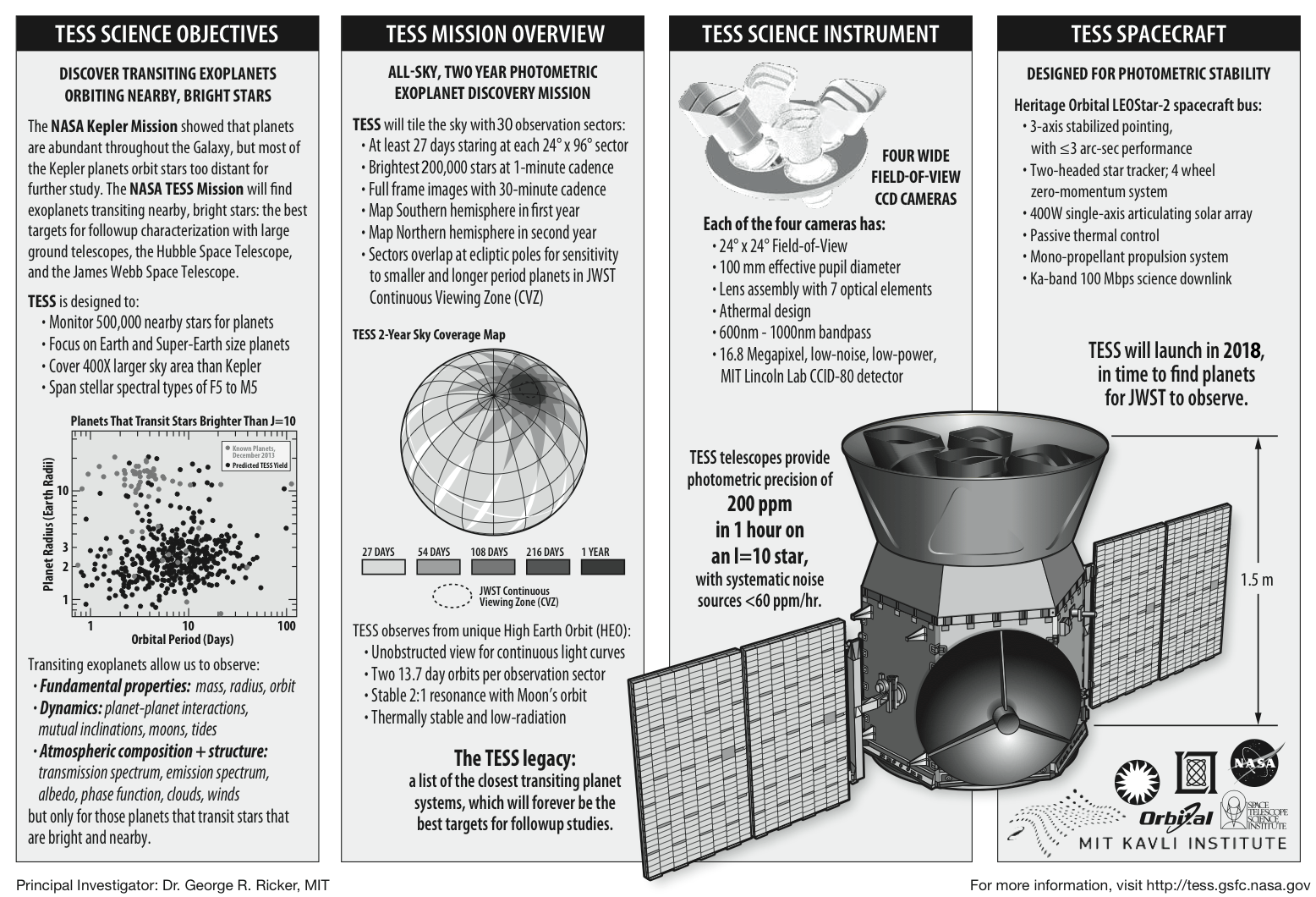
Log into your uspto.gov account for a better search experience The mission will find exoplanets that periodically block part of the light from their host stars, events called transits. Logging in using the sign in link in the top right corner helps you avoid errors when the system is handling heavy traffic
Mission Overview
It'll also give you access to even more features and enhancements in the future, including options to customize your search experience based on your preferences. About tess the transiting exoplanet survey satellite (tess) is the next step in the search for planets outside of our solar system, including those that could support life Learn about some of tess’s most interesting discoveries so far.
Tess monitors millions of stars for temporary drops in brightness caused by planetary transits
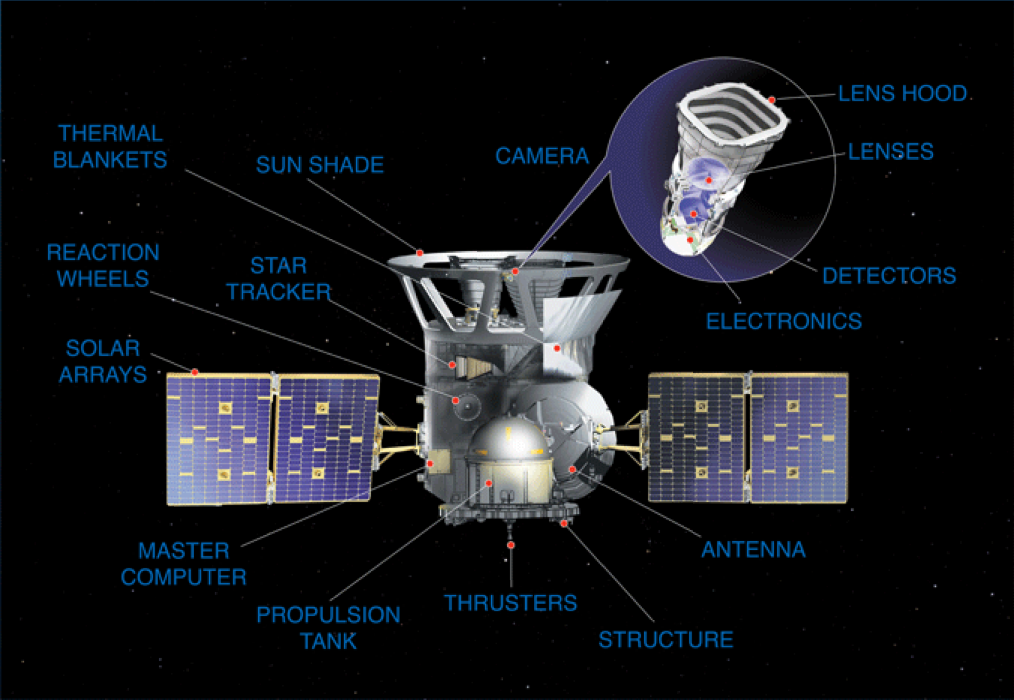
Promising planets found by tess will be studied by future telescopes to determine if life could exist there. Tess was designed as a high precision photometer and not as an imager, as such the photometric stability and minimization of noise was more important than a compact point spread function (psf). Tess observations tess observes the sky in sectors measuring 24° x 96° Each sector is observed for two orbits of the satellite around the earth, or about 27 days on average.