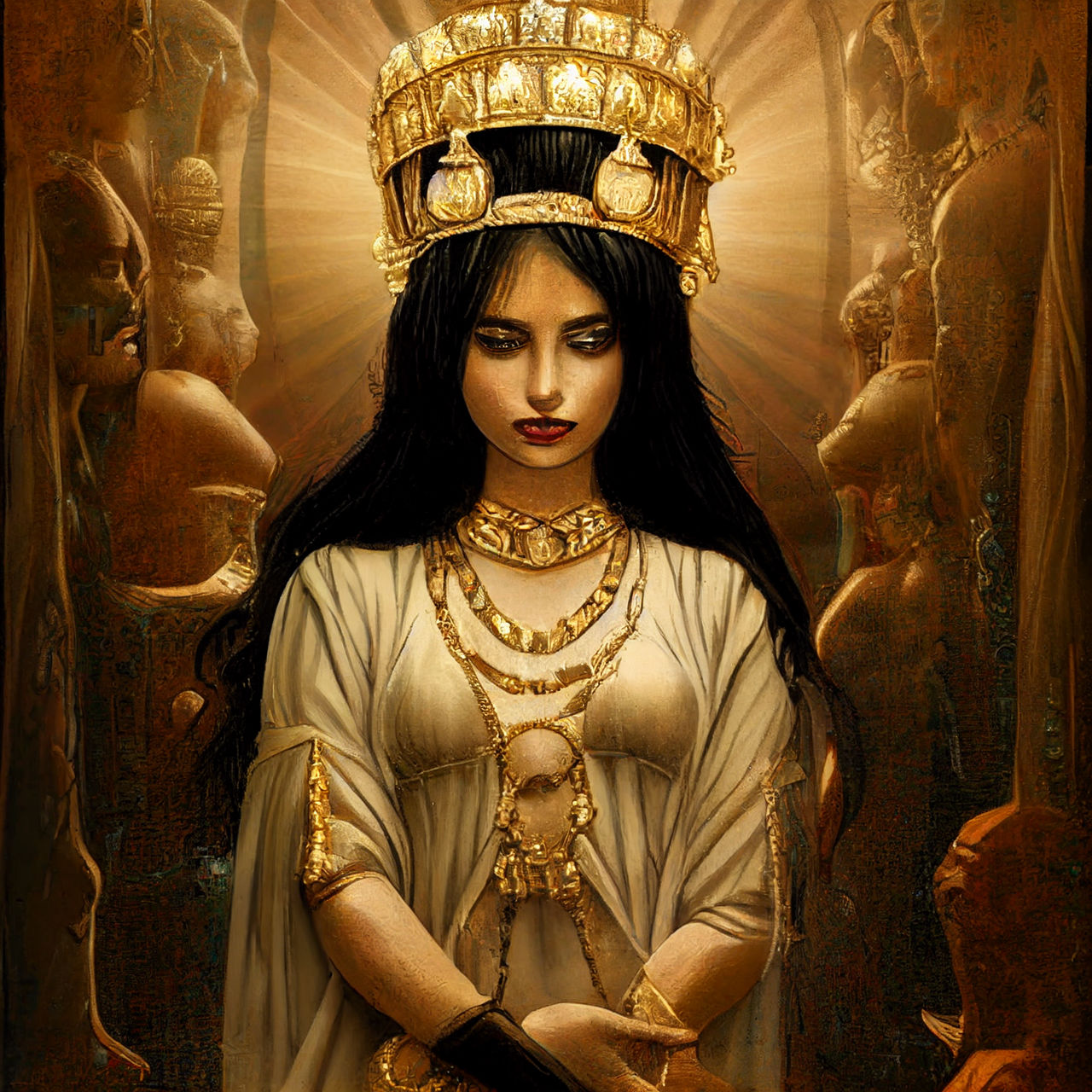
Ishtar Of Babylon Onlyfans God Concept Ian Goddess Love And War Smite
Begin Immediately ishtar of babylon onlyfans prime media consumption. 100% on us on our visual library. Get lost in in a wide array of featured videos offered in 4K resolution, a must-have for prime watching fanatics. With brand-new content, you’ll always be informed. Watch ishtar of babylon onlyfans themed streaming in photorealistic detail for a remarkably compelling viewing. Get into our platform today to watch unique top-tier videos with free of charge, no recurring fees. Get fresh content often and dive into a realm of singular artist creations engineered for deluxe media enthusiasts. You won't want to miss unique videos—download quickly! Enjoy top-tier ishtar of babylon onlyfans special maker videos with true-to-life colors and curated lists.
Inanna/ishtar is alluded to in the hebrew bible and she greatly influenced the ugaritic goddess ashtart and later the phoenician goddess astarte, who in turn possibly influenced the development of the greek goddess aphrodite. A dualistic deity babylon with a variety of roles, ishtar defied conventional categories and her influence extended beyond humanity’s first civilizations. Ishtar, in mesopotamian religion, goddess of war and sexual love
Golden statue of Ishtar Babylonian goddess | Premium AI-generated image
Ishtar is considered a member of the special class of mesopotamian gods called the anunnaki Ishtar was one of the most prominent mesopotamian goddesses Ishtar is the akkadian counterpart of the west semitic goddess astarte.
Ishtar (inanna in sumerian sources) is a primary mesopotamian goddess closely associated with love and war
This powerful mesopotamian goddess is the first known deity for which we have written evidence. Ishtar was an ancient goddess in ancient mesopotamia, who had a complex and varied character Her associations included love, sensuality, fertility and war, giving her the extraordinary ability to both create life, and to take it away. Ishtar, one of the most revered deities in babylonian mythology, epitomizes the complexities of love, war, and fertility
As a prominent figure in the mesopotamian pantheon, she embodies the duality of creation and destruction, representing the interconnectedness of these powerful forces. Ishtar, a goddess of both fertility and war, is the akkadian name of the sumerian goddess inanna and the semitic goddess astarte, the three names referring to the same deity in different cultural contexts. Among the pantheon of gods and goddesses, one figure gleamed brighter than most, embodying contradiction, complexity, and boundless power Ishtar, the mesopotamian goddess of love, war, and fertility.
Ishtar’s multifaceted nature as both a goddess of love and war illustrates the complexity of human experience and the dualities that exist within it
Her significance in ancient mesopotamia is profound, serving as a symbol of fertility, love, strength, and conflict. A complex deity, ishtar combined the characteristics—both good and evil—of many different goddesses As a benevolent mother figure, she was considered the mother of gods and humans, as well as the creator of all earthly blessings.