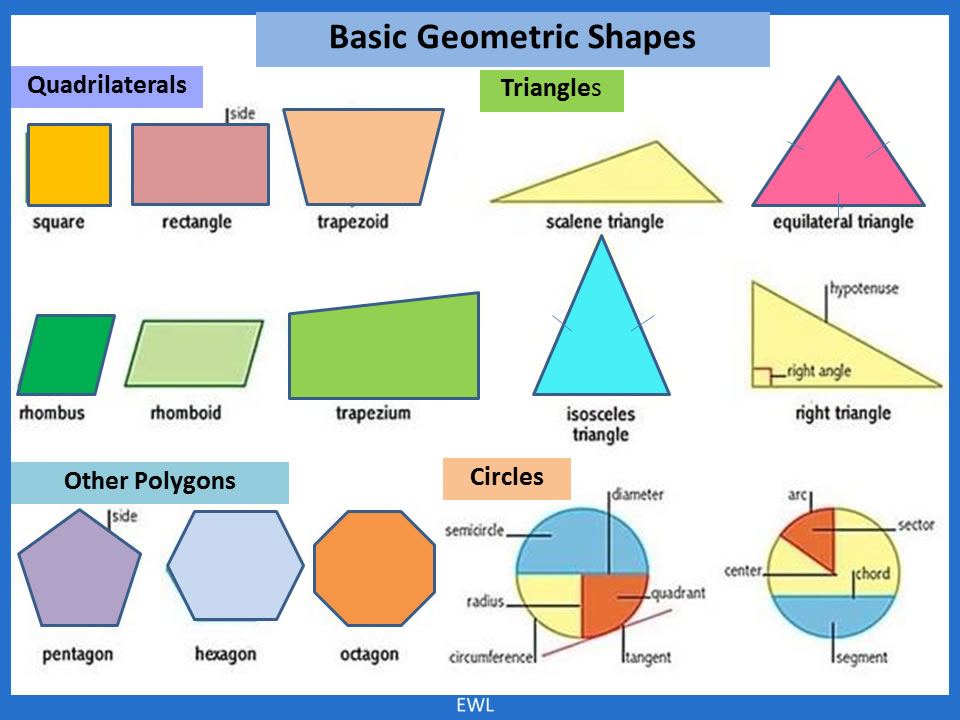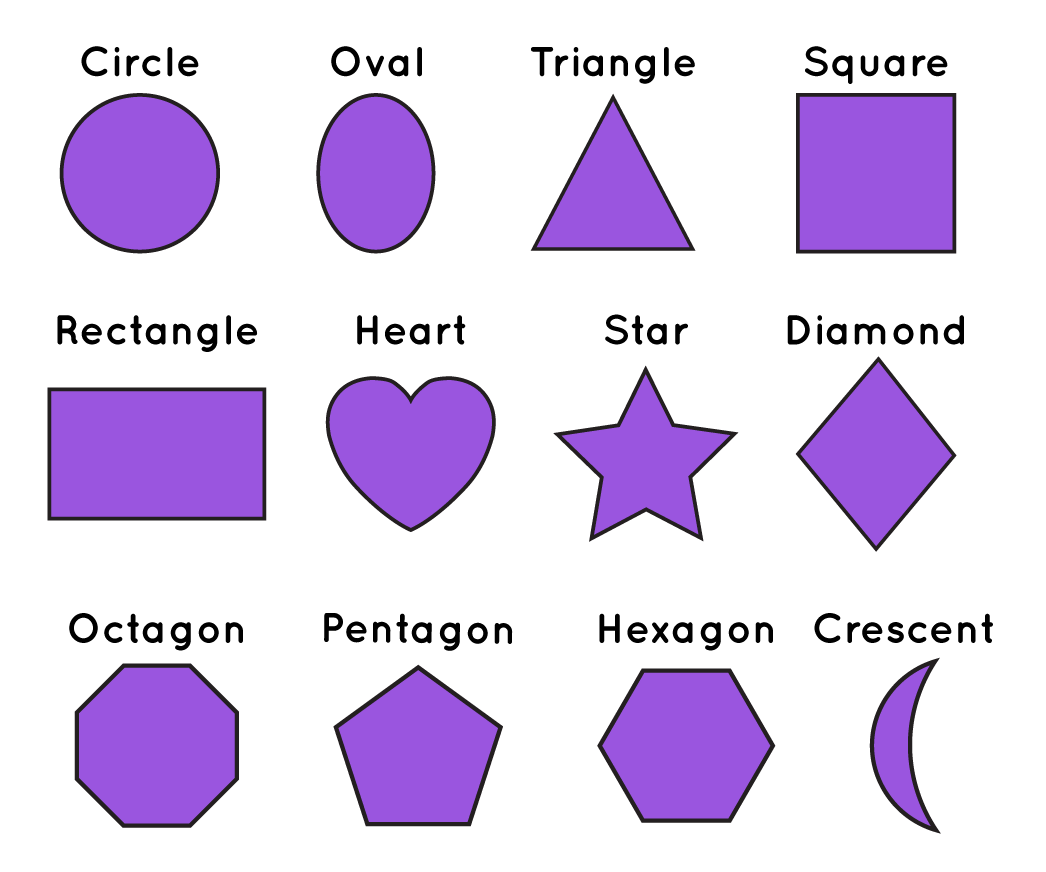
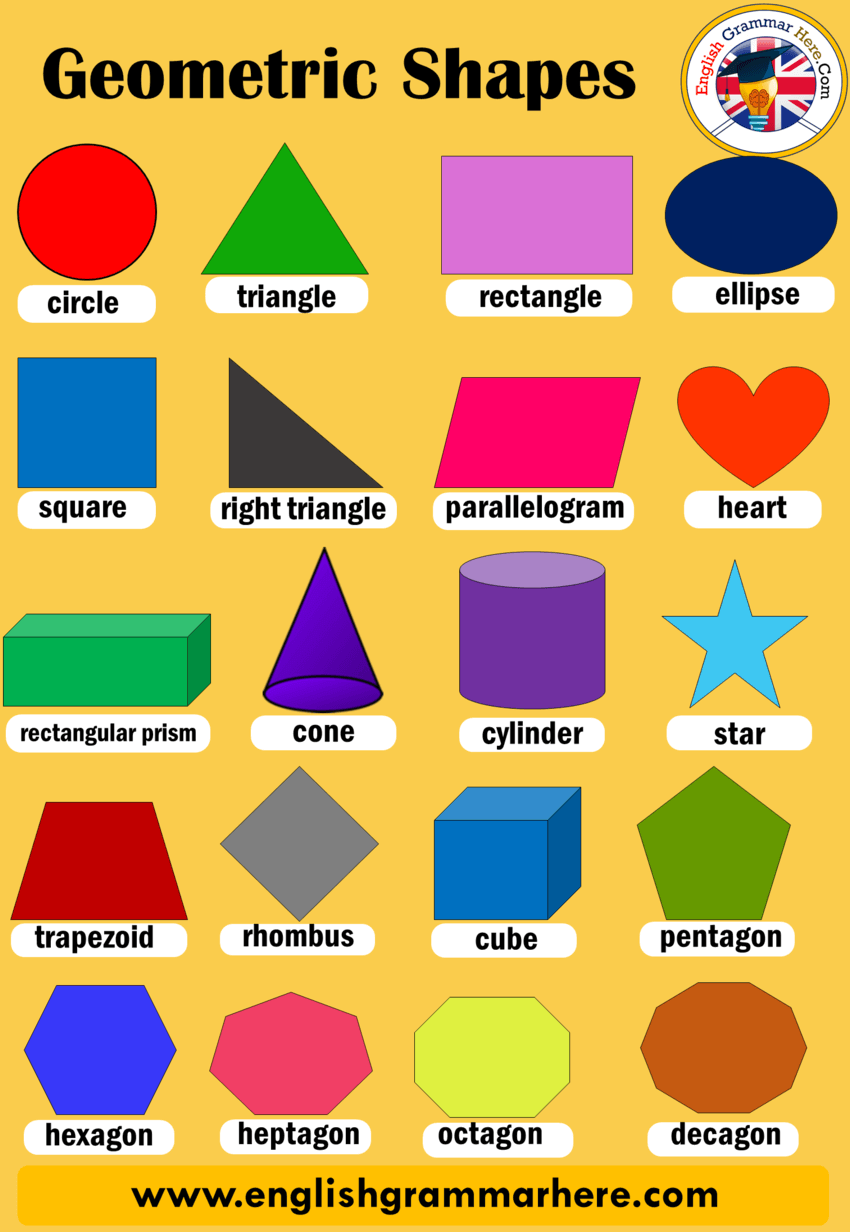
Shape Over Size Porn Geometric Names English Grammar Here
Claim Your Access shape over size porn exclusive viewing. Gratis access on our cinema hub. Get lost in in a broad range of expertly chosen media presented in Ultra-HD, tailor-made for passionate viewing fans. With brand-new content, you’ll always stay in the loop. Uncover shape over size porn recommended streaming in high-fidelity visuals for a mind-blowing spectacle. Join our online theater today to feast your eyes on solely available premium media with no charges involved, no need to subscribe. Look forward to constant updates and dive into a realm of unique creator content designed for high-quality media followers. Take this opportunity to view rare footage—save it to your device instantly! Treat yourself to the best of shape over size porn one-of-a-kind creator videos with rich colors and special choices.
The shape attribute for numpy arrays returns the dimensions of the array Why doesn't pyspark dataframe simply store the shape values like pandas dataframe does with.shape If y has n rows and m columns, then y.shape is (n,m)
Examples Of A Geometric Shape at Erin Wright blog
Yourarray.shape or np.shape() or np.ma.shape() returns the shape of your ndarray as a tuple I created a custom stencil in my shapes, right clicked it and selected edit s. And you can get the (number of) dimensions of your array using yourarray.ndim or np.ndim()
(r,) and (r,1) just add (useless) parentheses but still express respectively 1d and 2d array shapes, parentheses around a tuple force the evaluation order and prevent it to be read as a list of values (e.g
X.shape[0] gives the first element in that tuple, which is 10 Here's a demo with some smaller numbers, which should hopefully be easier to understand. I already know how to set the opacity of the background image but i need to set the opacity of my shape object In my android app, i have it like this
And i want to make this black area a bit So in line with the previous answers, df.shape is good if you need both dimensions, for a single dimension, len() seems more appropriate conceptually Looking at property vs method answers, it all points to usability and readability of code. Shape (in the numpy context) seems to me the better option for an argument name
The actual relation between the two is size = np.prod(shape) so the distinction should indeed be a bit more obvious in the arguments names.
Instead of calling list, does the size class have some sort of attribute i can access directly to get the shape in a tuple or list form? Background i want to create a reusable shape in visio (visio 365 desktop) with certain data attached