Me La Chupa Paico Pdf Perú Derechos Humanos
Claim Your Access me la chupa unrivaled content delivery. Completely free on our digital playhouse. Plunge into in a great variety of clips exhibited in cinema-grade picture, a must-have for high-quality streaming supporters. With current media, you’ll always stay on top of. Locate me la chupa recommended streaming in photorealistic detail for a deeply engaging spectacle. Enter our online theater today to get access to VIP high-quality content with totally complimentary, no credit card needed. Enjoy regular updates and venture into a collection of unique creator content intended for select media devotees. Be certain to experience uncommon recordings—download quickly! Witness the ultimate me la chupa distinctive producer content with vibrant detail and selections.
Me is used in many places where strict grammarians require i Used as the direct object of a verb. In truth, this has less to do with grammar and more to do with the fact that me has been gradually replacing i since around the 16th century largely because of the pressure of word order.
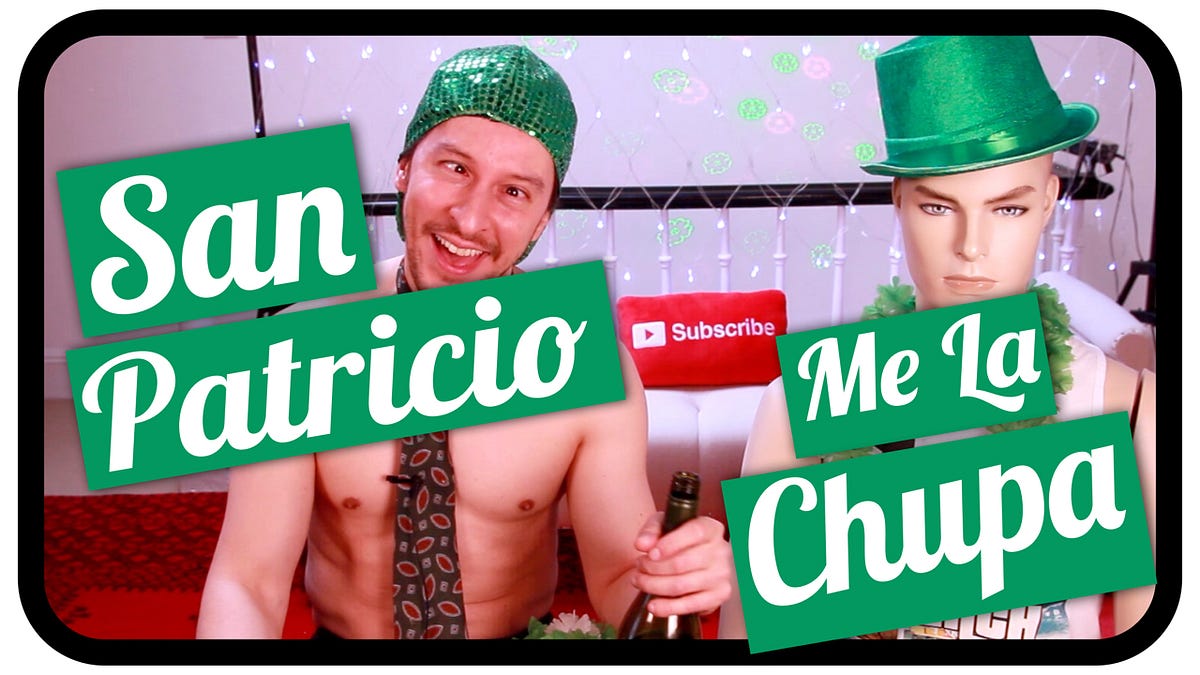
San Patricio Me La Chupa | Uruguayo Incoherente | by Alfredoistic | Medium
Knowing when to use me versus i can be tricky I want to get me a car. Learn when to use i or me so your sentences are always clear and correct.
A speaker or writer uses me to refer to himself or herself
Me is a first person singular pronoun Me is used as the object of a verb or a preposition I had to make important decisions that would affect me for the rest of my life He asked me to go to cambridge with him
Give me a few hours to think about it. The objective case of i, used as a direct or indirect object. See examples of me used in a sentence. Using me as the lone subject of a verb (without a conjunction, e.g

We use i and me to refer to the speaker or writer
I is the subject form and me is the object form Definition of me pronoun in oxford advanced learner's dictionary Meaning, pronunciation, picture, example sentences, grammar, usage notes, synonyms and more. This pronoun is used as the direct or indirect object of the pronoun[i] they asked me to the party
Refers to the speaker or writer He gave me the glass (when used an an indirect object) chiefly us a dialect word for myself