Stars-212 [uncensored Leaked] Star Facts Primary Resource National Geographic Kids
Start Today stars-212 [uncensored leaked] elite digital broadcasting. Zero subscription charges on our streaming service. Submerge yourself in a massive assortment of expertly chosen media highlighted in premium quality, great for exclusive streaming aficionados. With fresh content, you’ll always receive updates. Find stars-212 [uncensored leaked] personalized streaming in impressive definition for a truly engrossing experience. Get involved with our digital hub today to observe members-only choice content with free of charge, subscription not necessary. Experience new uploads regularly and journey through a landscape of singular artist creations intended for premium media lovers. Don't pass up distinctive content—start your fast download! Indulge in the finest stars-212 [uncensored leaked] unique creator videos with stunning clarity and hand-picked favorites.
Every star has its own life cycle, ranging from a few million to trillions of years, and its properties change as it ages The lifespan of a star varies widely, generally ranging from several million to several trillion years. Stars form in large clouds of gas and dust called molecular clouds.
Star facts primary resource - National Geographic Kids
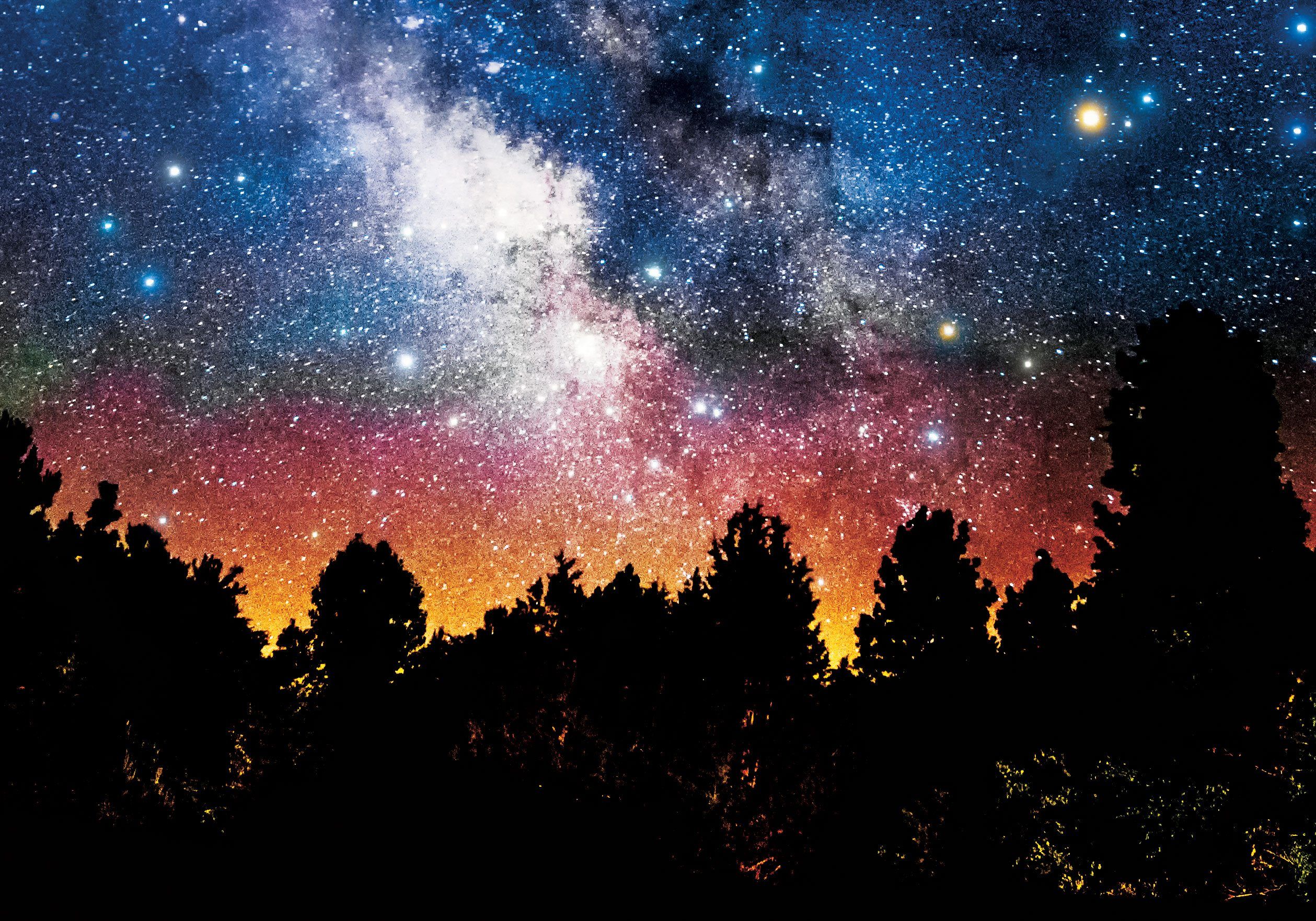
Many other stars are visible to the naked eye at night Stars are massive, luminous spheres of gas, mainly composed of hydrogen, with smaller amounts of helium and other elements Their immense distances from earth make them appear as fixed points of light
The most prominent stars have been categorised into constellations and asterisms, and many of the brightest stars have proper names.
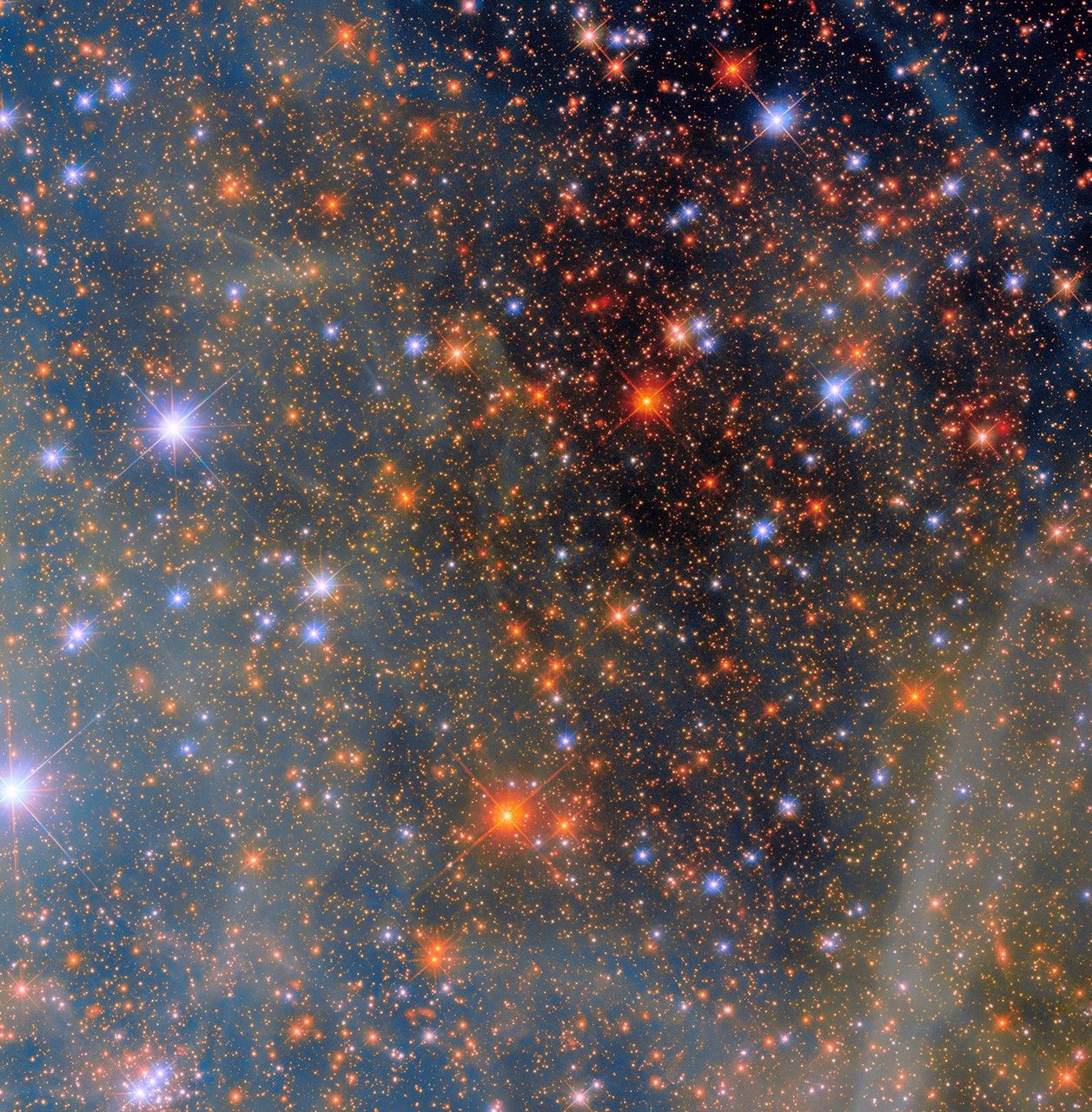
This article describes the properties and evolution of individual stars Included in the discussion are the sizes, energetics, temperatures, masses, and chemical compositions of stars. The universe’s stars range in brightness, size, color, and behavior Some types change into others very quickly, while others stay relatively unchanged over trillions of years.
The official national hockey league website including news, rosters, stats, schedules, teams, and video. Stars are huge celestial bodies made mostly of hydrogen and helium that produce light and heat from the churning nuclear forges inside their cores.