
Were Black People The Only Slaves Was Vs 🤔 How To Use Verb Correctly English Grammar Youtube
Gain Access were black people the only slaves premier watching. Completely free on our cinema hub. Surrender to the experience in a great variety of hand-picked clips showcased in superb video, a must-have for deluxe watching devotees. With the newest drops, you’ll always receive updates. Reveal were black people the only slaves preferred streaming in ultra-HD clarity for a totally unforgettable journey. Get into our platform today to check out restricted superior videos with absolutely no cost to you, no commitment. Look forward to constant updates and delve into an ocean of exclusive user-generated videos developed for choice media enthusiasts. Seize the opportunity for never-before-seen footage—click for instant download! Witness the ultimate were black people the only slaves singular artist creations with crystal-clear detail and unique suggestions.
From other's conversation,i found out they mentioned i was and sometimes they also mentioned i were If i were to make this game, it would have been a lot more difficult Is there any rules for i was/were?
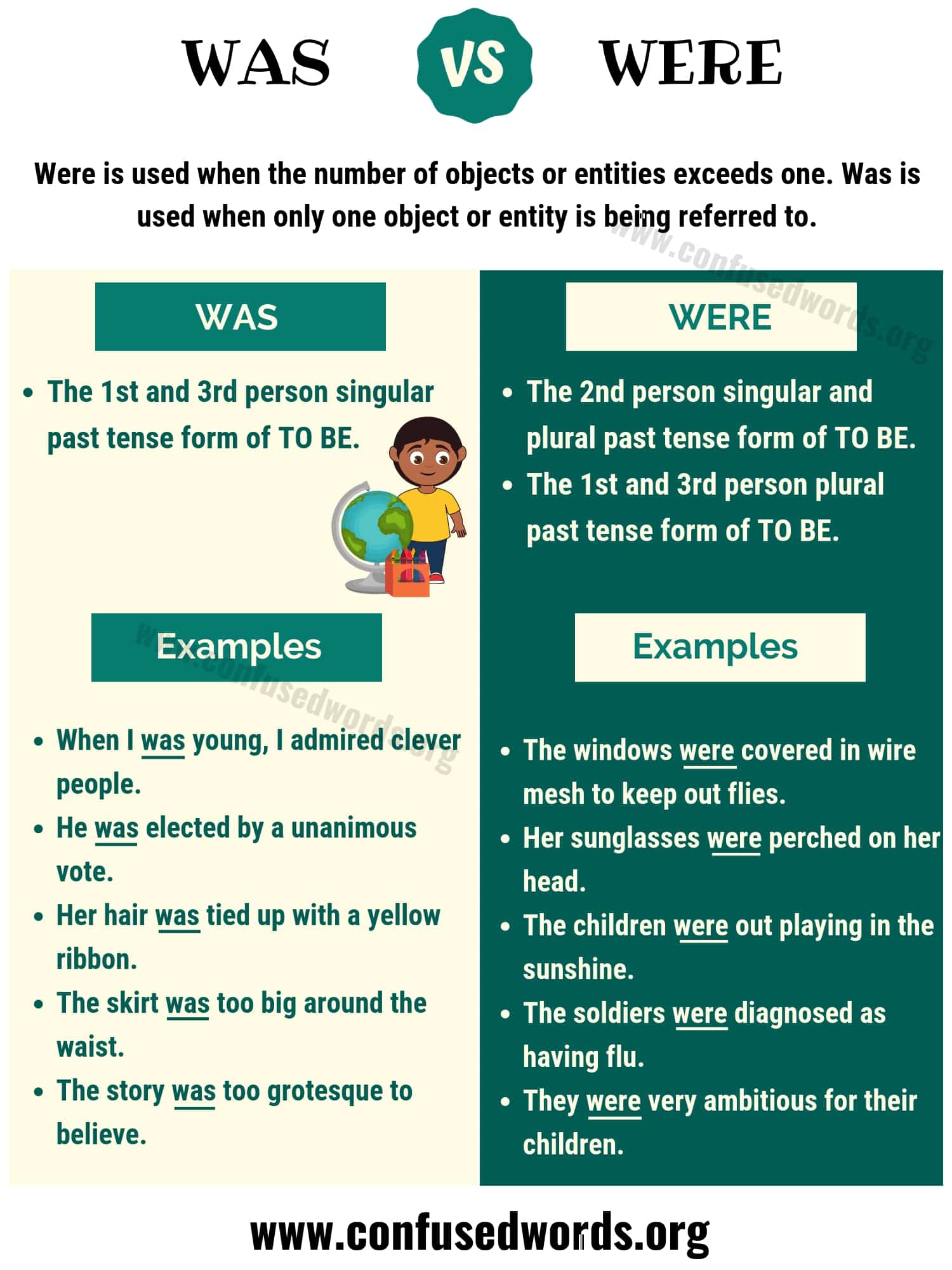
Was vs. Were: How to Use Were vs. Was Correctly? - Confused Words
What is the difference between were and have been, and are these sentences gramatically correct I'm not sure if i'm right but i think that after were i should place would have been instead of would be 1) some of the best known writers of detective fiction in the twentieth century were women.
Which of the following is correct
Who were these buildings designed by Or who was these buildings designed by Does were/was refer to these buildings or who? I'm in trouble with the following sentence
How was/were the meals you had while you were gone I think how were is correct, but why is how was wrong I learned from many sources that as if it were is accepted by all native english speakers And as if it was is widely used, especially informally
But is the simple present indicative accepted as.
If you were can also imply that you had planned to do it If i were going to go home in an hour, would you come? does not describe an unlikely or impossible scenario. If you're mentioning a possibility or a probability, a chance that something could be, use was .


