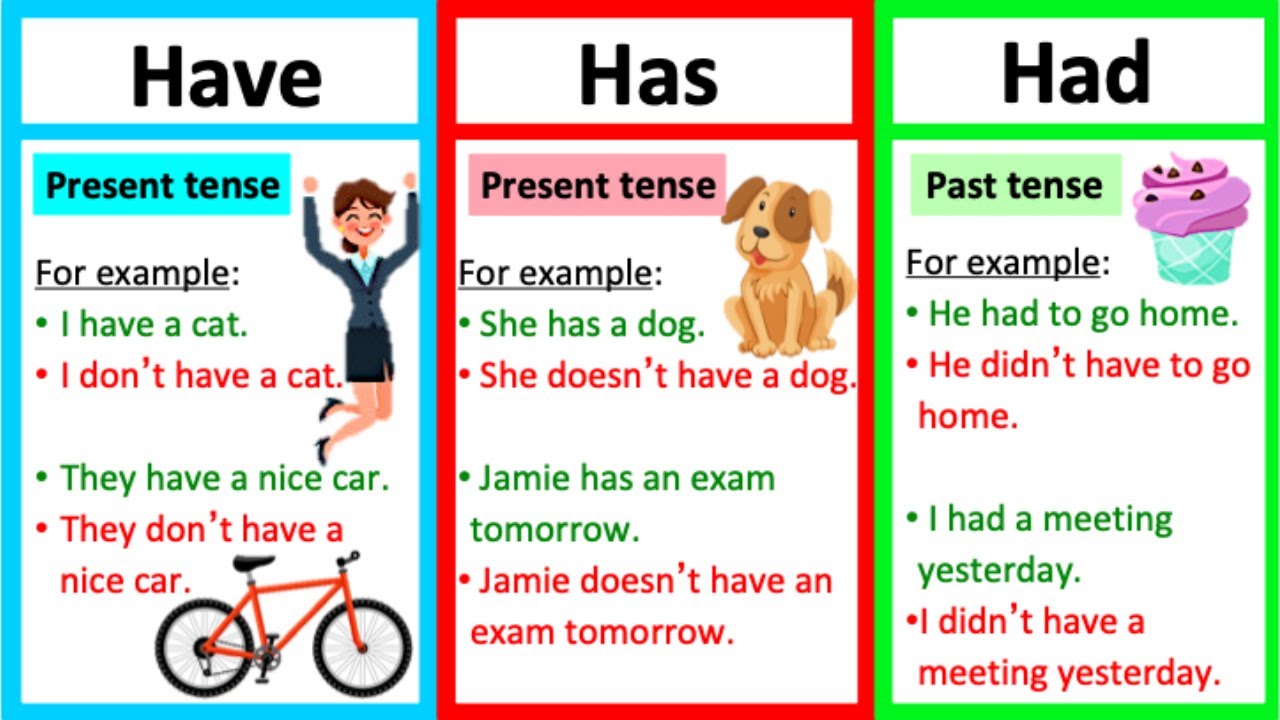
I Have Only Begun To Fight Has & Had 🤔 Grammar Lesson How Use Them Correctly & Quz
Enter Now i have only begun to fight elite playback. Subscription-free on our entertainment center. Get captivated by in a wide array of videos presented in premium quality, ideal for passionate viewing fanatics. With brand-new content, you’ll always know what's new. Encounter i have only begun to fight organized streaming in breathtaking quality for a remarkably compelling viewing. Participate in our online theater today to watch members-only choice content with free of charge, no membership needed. Receive consistent updates and discover a universe of original artist media designed for superior media admirers. Make sure you see rare footage—get it fast! Treat yourself to the best of i have only begun to fight one-of-a-kind creator videos with vivid imagery and featured choices.
The meaning of have is to hold or maintain (something tangible or intangible) as a possession, privilege, entitlement, or responsibility ️ the correct meaning of has, have, and had ️ when to use each one in present and past tenses ️ easy examples you can use in daily conversation ️ common. How to use have in a sentence.
HAVE, HAS & HAD 🤔 | Grammar lesson | How to use them correctly & quiz
Have is one of three auxiliary verbs in english In this video, you’ll learn You use have when you are confirming or contradicting a statement containing 'have', 'has', or 'had', or answering a question
'have you been to york before?'—'yes we have.'
Have, hold, occupy, own, possess mean to be, in varying degrees, in possession of something Have, being the most general word, admits of the widest range of application To have money, rights, discretion, a disease, a glimpse, an idea To have a friend's umbrella.
To have endured all that one can I've had it with their delays To be in a state beyond remedy, repair, or salvage That coat has had it

To have done everything that is possible or that will be permitted.
Have and has are different forms of the verb to have Even though they come from the same word, there are slight differences in the way they’re used While the verb to have has many different meanings, its primary meaning is “to possess, own, hold for use, or contain.” have and has indicate possession in the present […] To have can function as a main verb, but it can also be a helping verb (also known as an auxiliary verb)
Whether you’re using it as a main verb or helping verb, the forms of to have are have, has, had, and having. The term 'have' serves as both a main verb and an auxiliary verb in english grammar As a main verb, it denotes possession, ownership, or experience, while as an auxiliary verb, it helps to form perfect tenses by indicating completed actions. Definition of have verb in oxford advanced learner's dictionary

Meaning, pronunciation, picture, example sentences, grammar, usage notes, synonyms and more.