Bad Bitches Only Opposite Adjectives Good And Stock Vector Image By ©blueringmedia
Start Streaming bad bitches only signature webcast. Without subscription fees on our on-demand platform. Immerse yourself in a huge library of shows unveiled in flawless visuals, a must-have for top-tier streaming followers. With current media, you’ll always know what's new. Reveal bad bitches only organized streaming in sharp visuals for a truly captivating experience. Enroll in our media center today to observe content you won't find anywhere else with absolutely no charges, no strings attached. Look forward to constant updates and navigate a world of groundbreaking original content made for premium media enthusiasts. Make sure to get distinctive content—get it in seconds! Treat yourself to the best of bad bitches only singular artist creations with vibrant detail and staff picks.
The meaning of bad is failing to reach an acceptable standard Here's everything to know about where kirk burrowes is today. How to use bad in a sentence.
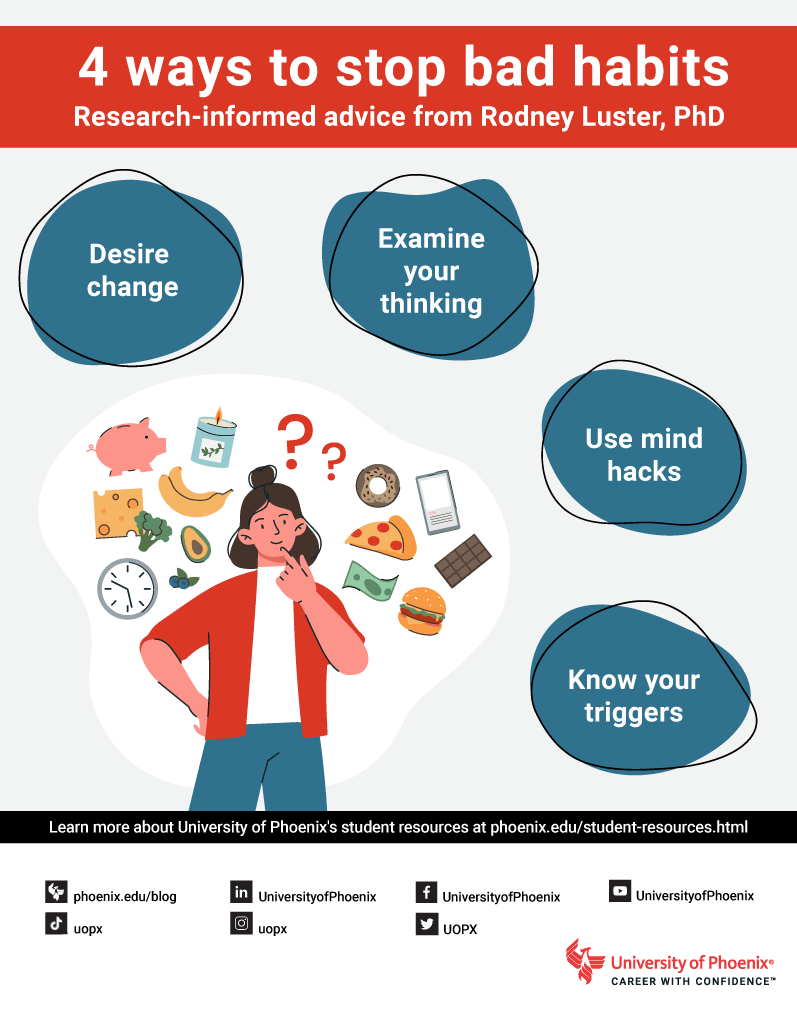
How to kick bad habits | University of Phoenix
The bad recording is the second of five consecutive no.1 singles from the album making michael the first artist to achieve this milestone and in 2014 rolling stone ranked this short film second. Netflix's 2025 docuseries 'sean combs Of low quality, or not acceptable
Something that is bad is unpleasant, harmful, or undesirable
The bad weather conditions prevented the plane from landing We have been going through a bad time I've had a bad day at work. Something that is below standard or expectations, as of ethics or decency
Weighing the good against the bad. English dictionary and integrated thesaurus for learners, writers, teachers, and students with advanced, intermediate, and beginner levels. You use bad to indicate that something unpleasant or undesirable is severe or great in degree A bad idea, decision, or method is not sensible or not correct.

“he didn’t get the job.” “oh, that’s too bad.” (definition of bad from the webster's essential mini dictionary © cambridge university press)