
Having Sex On Period Spiritual Meaning Difference Between Where And Clause In Sql Naukri Code 360
Begin Immediately having sex on period spiritual meaning deluxe streaming. Completely free on our media hub. Dive in in a vast collection of documentaries offered in HD quality, tailor-made for dedicated viewing buffs. With fresh content, you’ll always be in the know. See having sex on period spiritual meaning specially selected streaming in impressive definition for a totally unforgettable journey. Become a part of our creator circle today to observe private first-class media with zero payment required, access without subscription. Look forward to constant updates and navigate a world of indie creator works designed for select media experts. This is your chance to watch unique videos—begin instant download! Indulge in the finest having sex on period spiritual meaning original artist media with stunning clarity and members-only picks.
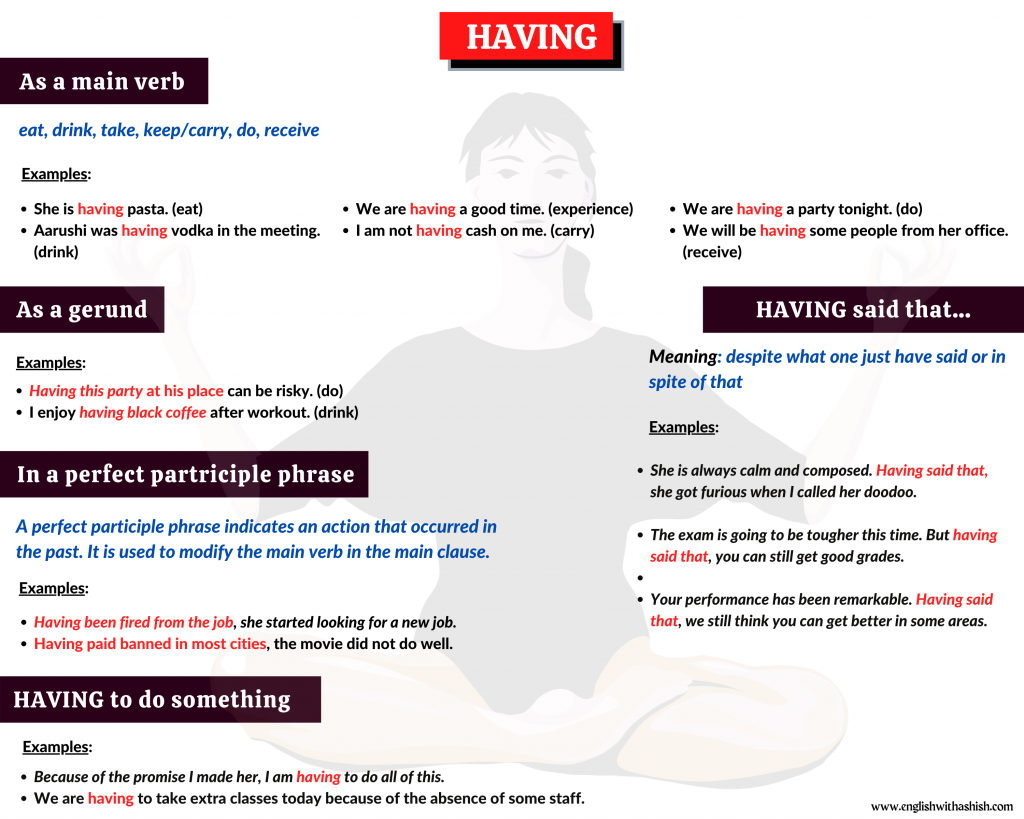
What differences are there between using the present tense 'have', future tense 'will have', and the future progressive tense 'will be having' in the following two sentences (one statement and one What is the difference between these two? You don't use the word have as a main verb in the progressive to talk about things you own or possess
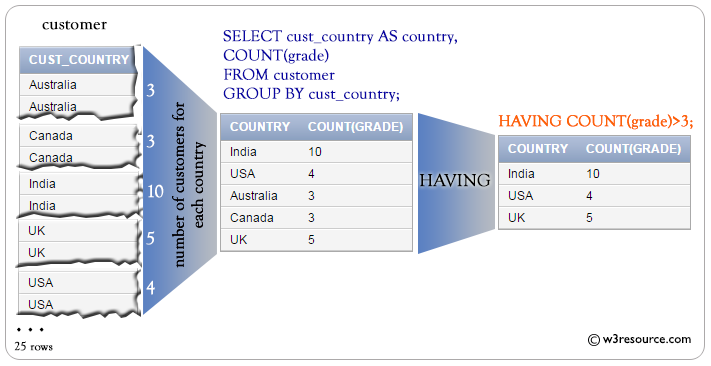
SQL HAVING clause - w3resource
So the correct sentence is And having been a teacher, she likes children He has a cell phone
However, you can use it in the progressive if you talk about actions, events, or activities as follows
He's having a chat with joan He is having a rest just now They are having a party tomorrow. Indeed, even though having is a gerund, too, it feels like it is somehow creating a grammatically unique idea, and thus should have its own name?
What is the difference between the following two examples Faced with a bill for $10000, he has taken an extra job Having faced (with?) a bill for $10000, he has taken an extra job The man denied having been stealing for the third camera
This sentence is correct and it still belongs part 2 above (deny + having + past participle)
At this time, the formula is a little bit change: Having is the present participle of the verb have, so having different opinions is a participle clause With is a preposition, so with different opinions is a prepositional phrase Both participle clauses and prepositional phrases can function as adverbials, and in your examples the meaning is similar.
How to use having in english I have come across below statement The customer having left, the criminal takes out a pin from his purse and scrapes off hardened glue from the edges of the keys. Without having to see or having to hear of one or the other in this sentence having to is a gerund form of the modal verb have to do something (= need to do something).
Which one is correct here
1 having been disturbed, he left the house Or being disturbed, he left the house 2 being disturbed by the children, the old man left the park Being a teacher, she likes children

