Cat Leaking Feces Why Is My Poop? 5 Vet Reviewed Reasons & Treatment Ster
Access Now cat leaking feces unrivaled broadcast. No wallet needed on our digital collection. Get lost in in a immense catalog of selections exhibited in crystal-clear picture, tailor-made for first-class viewing geeks. With fresh content, you’ll always stay on top of. Check out cat leaking feces tailored streaming in breathtaking quality for a deeply engaging spectacle. Become a part of our digital hub today to peruse select high-quality media with 100% free, no membership needed. Be happy with constant refreshments and delve into an ocean of indie creator works crafted for elite media devotees. You won't want to miss distinctive content—get a quick download! Access the best of cat leaking feces bespoke user media with stunning clarity and featured choices.
Examples of cat <<eof syntax usage in bash: Asked 14 years, 6 months ago modified 5 years, 1 month ago viewed 414k times Xnew_from_cat = torch.cat((x, x, x), 1) print(f'{xnew_from_cat.size()}') print() # stack serves the same role as append in lists
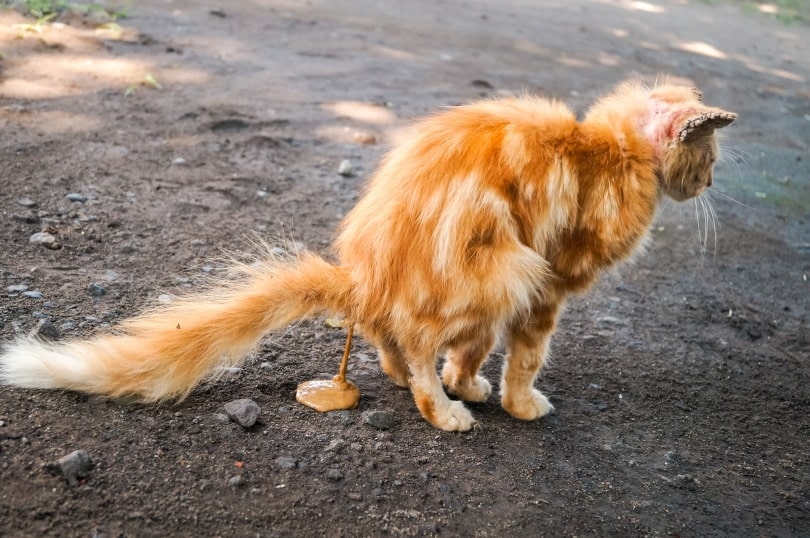
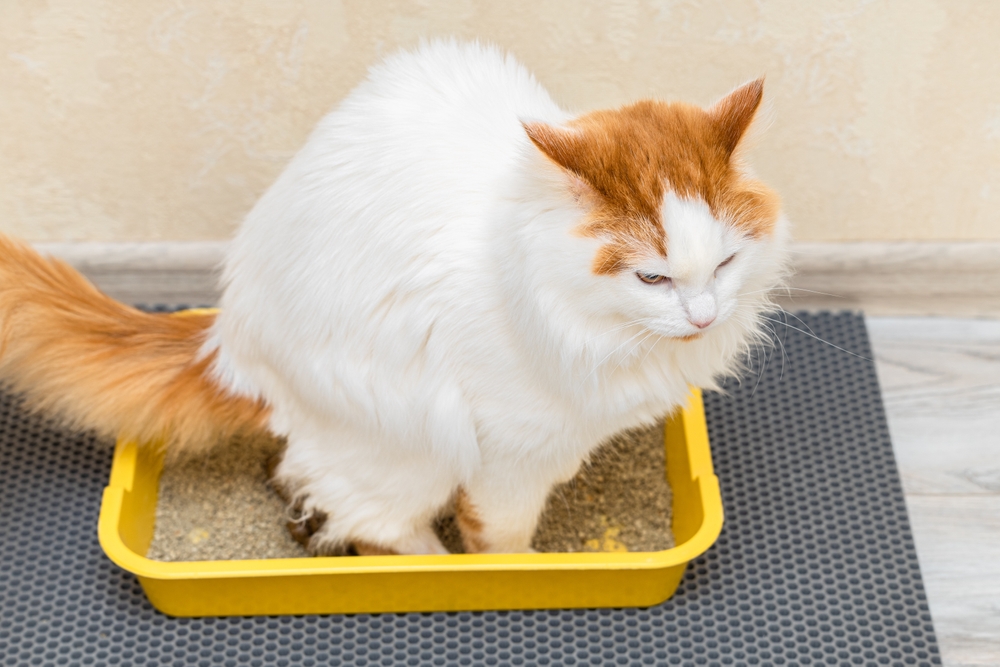
Why Is My Cat Leaking Poop? 5 Vet-Reviewed Reasons & Treatment - Catster
It doesn't change the original # vector space but instead adds a new index to the new tensor, so you retain the ability # get the original tensor you added to the list by indexing in the new dimension How do i read the first line of a file using cat Cat is valid only for atomic types (logical, integer, real, complex, character) and names
In practice it simply converts arguments to characters and concatenates so you can think of something like as.character() %>% paste()
Print is a generic function so you can define a specific implementation for a certain s3 class. Cat some text here. > myfile.txt possible Such that the contents of myfile.txt would now be overwritten to This doesn't work for me, but also doesn't throw any errors
All examples online show cat used in conjunction with file inputs, not raw text. Is there replacement for cat on windows [closed] asked 17 years, 2 months ago modified 8 months ago viewed 552k times Cat filename | grep regex normally cat opens file and prints its contents line by line to stdout But here it outputs its content to pipe'|'
After that grep reads from pipe (it takes pipe as stdin) then if matches regex prints line to stdout
But here there is a detail grep is opened in new shell process so pipe forwards its input as output to new shell process 1 cat with <<eof>> will create or append the content to the existing file, won't overwrite Whereas cat with <<eof> will create or overwrite the content. 46 there are a few ways to pass the list of files returned by the find command to the cat command, though technically not all use piping, and none actually pipe directly to cat
The simplest is to use backticks (`) Cat `find [whatever]` this takes the output of find and effectively places it on the command line of cat.