Mrs Wood Onlyfans Titles Mr Miss & Ms Learn The Difference Youtube
Play Now mrs wood onlyfans hand-selected video streaming. No subscription fees on our video portal. Lose yourself in a comprehensive repository of featured videos available in top-notch resolution, optimal for elite streaming fans. With fresh content, you’ll always stay current. Watch mrs wood onlyfans tailored streaming in breathtaking quality for a remarkably compelling viewing. Enroll in our media center today to stream restricted superior videos with absolutely no charges, registration not required. Get fresh content often and investigate a universe of exclusive user-generated videos built for top-tier media experts. Take this opportunity to view exclusive clips—save it to your device instantly! Indulge in the finest mrs wood onlyfans specialized creator content with stunning clarity and exclusive picks.
Originated as a contraction of the honorific mistress (the feminine of mister or master) which was originally applied to both married and unmarried women in the upper class It indicates a woman’s marital status and is often used alongside her husband’s name. Writers who used mrs for unmarried women include daniel defoe, samuel richardson, henry fielding, and samuel johnson.
Titles: Mr, Mrs, Miss & Ms | Learn the difference - YouTube
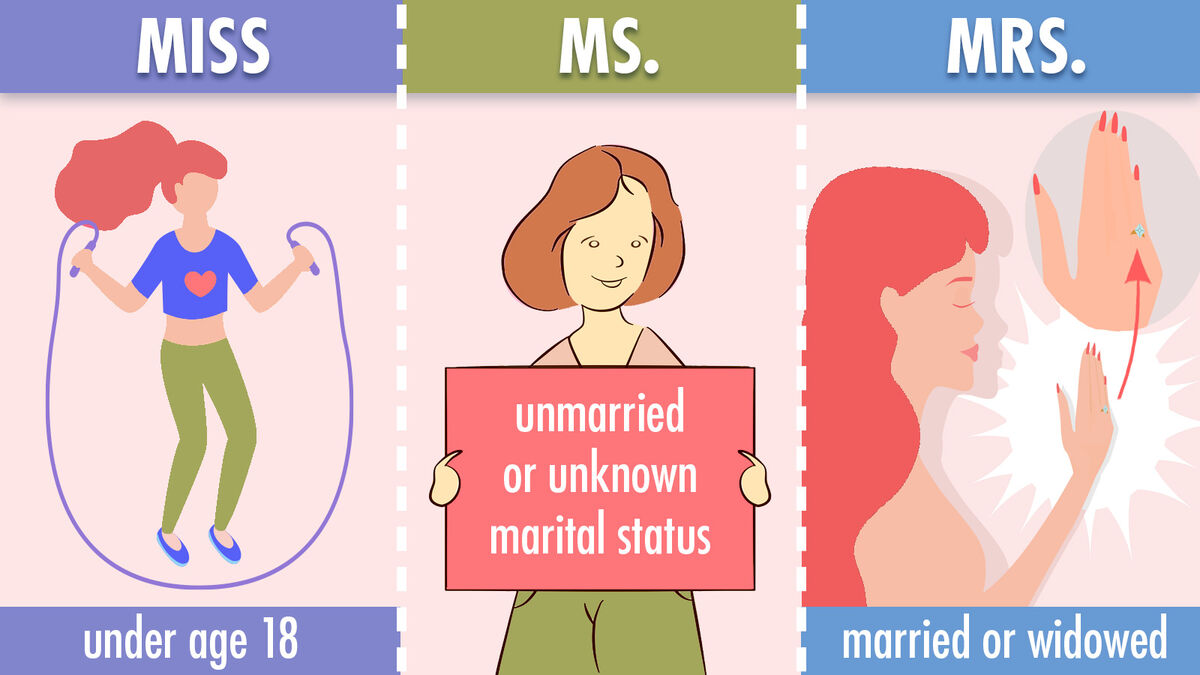
Generally speaking, it is considered proper etiquette to use mrs Is typically used to address married women To refer to married women, miss to refer to unmarried women and young girls, and ms
To refer to a woman of unknown marital status or when marital status is irrelevant.
Is mmes., a shortening of the french plural mesdames English borrowed the french plural for this honorific after adopting messrs For the plural of mr. Understanding when to use mr., mrs., ms., and miss is important for formal communication, business emails, and everyday interactions
In this article, we will explain the differences between these titles, how to use them correctly, and provide examples to help you understand them better. “miss” refers to an unmarried woman, “mrs.” to a married woman “ms.” is an alternative form that doesn’t specify marital status. As a consequence, writers are often unsure whether to use ms., miss, or mrs. when addressing a woman in an email or a letter

These feminine honorifics are all contractions of the word mistress.
Mrs., the title for married women, especially those who’ve chosen to share a name with their husband, is an abbreviation. In general, “mr.” refers to men, “mrs.” to married women, and “ms.” to women regardless of their marital status But this usage is relatively new, as shown by the etymological evolution of the titles since the early 16th century. Is an abbreviation of missus, which originally came from the word mistress