Are There Any Homosexual Animals Gay Facts List Pictures
Go Premium For Free are there any homosexual animals exclusive webcast. Zero subscription charges on our content hub. Experience fully in a massive assortment of content featured in premium quality, suited for deluxe viewing admirers. With just-released media, you’ll always stay updated. Uncover are there any homosexual animals expertly chosen streaming in stunning resolution for a completely immersive journey. Get involved with our network today to see restricted superior videos with cost-free, no recurring fees. Receive consistent updates and dive into a realm of singular artist creations tailored for exclusive media lovers. Make sure you see rare footage—start your fast download! Enjoy top-tier are there any homosexual animals original artist media with rich colors and unique suggestions.
The meaning of there is in or at that place —often used interjectionally Used to indicate an unspecified person in direct address How to use there in a sentence
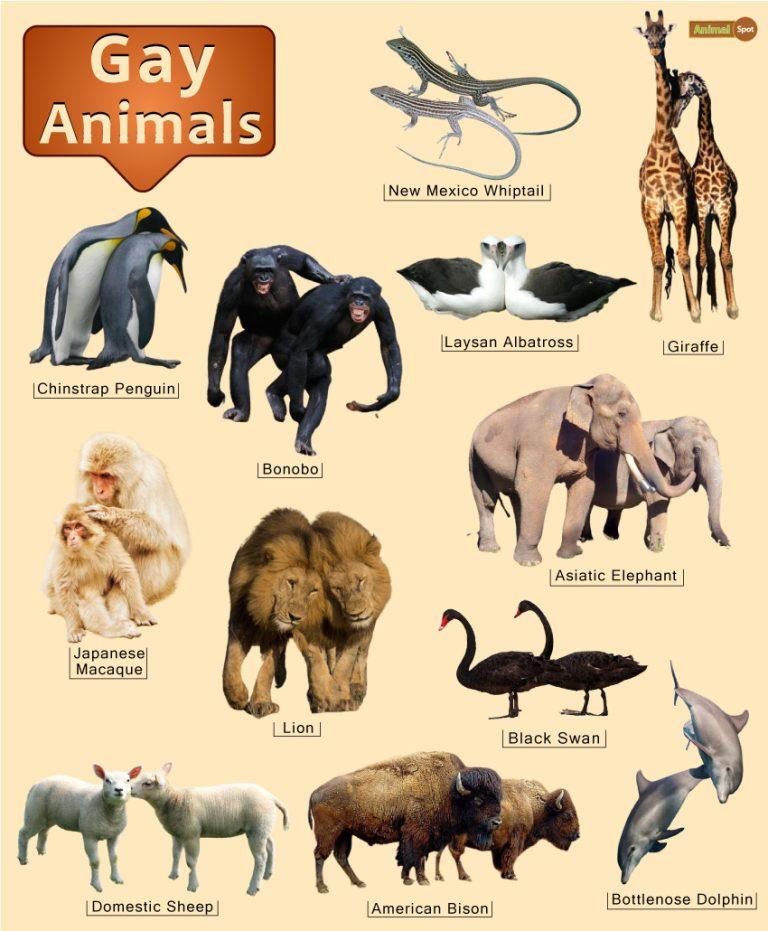
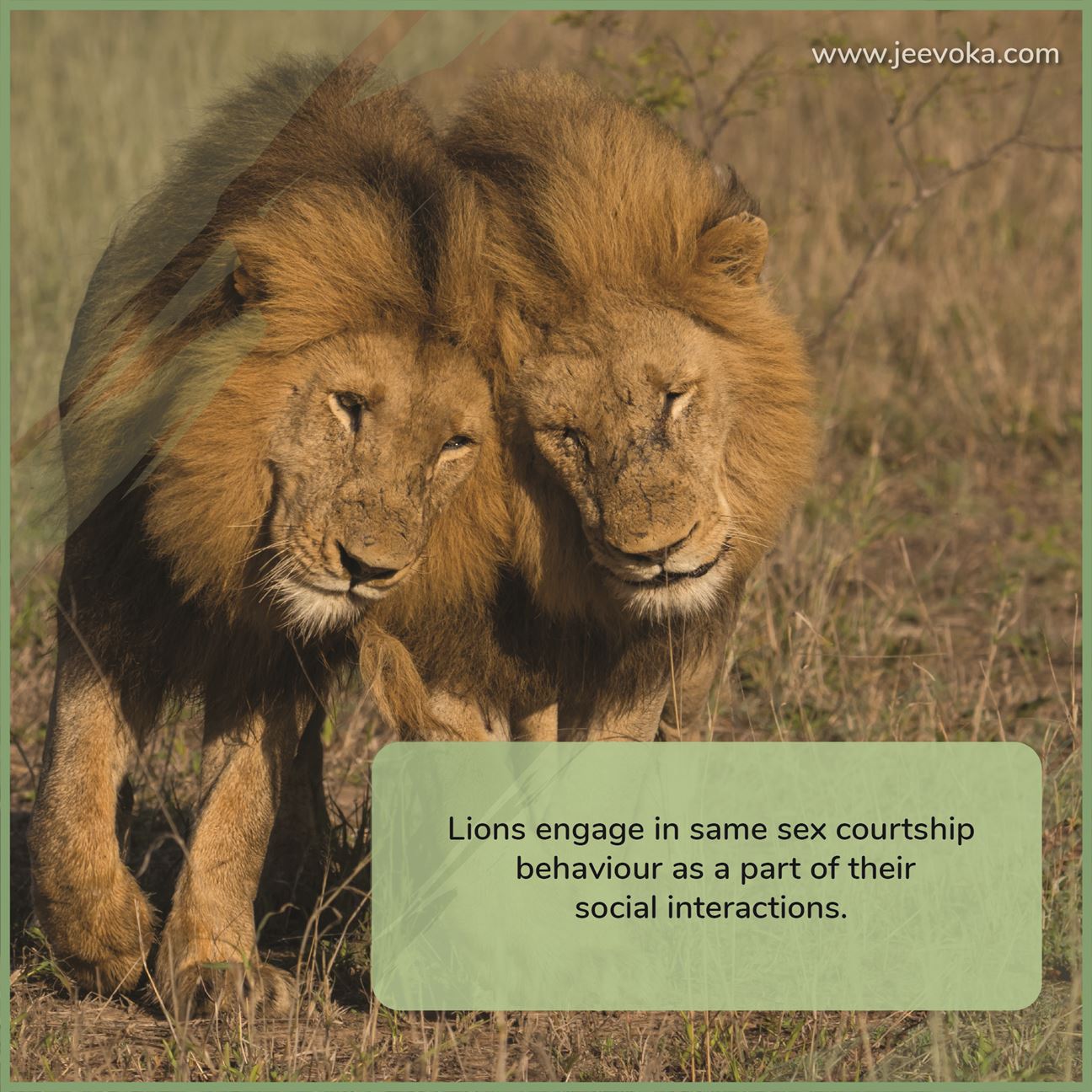
BBC - Earth - Are there any homosexual animals?
There has the word here in it There must be another exit There is the choice when talking about places, whether figurative or literal
Their has the word heir in it, which can act as a reminder that the term indicates possession
They’re has an apostrophe, which means it’s the product of two words Explore the definition of the word there, as well as its versatile usage, synonyms, examples, etymology, and more. We can use there at the start of a clause as a type of indefinite subject This means that we can put the actual subject at the end of the clause and so give it emphasis or focus (underlined below)
You use there in front of certain verbs when you are saying that something exists, develops, or can be seen Whether the verb is singular or plural depends on the noun which follows the verb. There, their, and they're sound similar, but they have very different meanings It is important to understand the difference between these words because using the wrong one is considered a basic mistake.

Used to introduce a clause or sentence