
Were Black People The Only Slaves Was Vs 🤔 How To Use Verb Correctly English Grammar Youtube
Begin Immediately were black people the only slaves deluxe media consumption. No subscription fees on our entertainment portal. Immerse yourself in a universe of content of binge-worthy series available in unmatched quality, the best choice for superior viewing supporters. With the latest videos, you’ll always stay current. Watch were black people the only slaves themed streaming in vibrant resolution for a genuinely gripping time. Enroll in our content collection today to access solely available premium media with completely free, registration not required. Receive consistent updates and journey through a landscape of singular artist creations intended for select media aficionados. You have to watch distinctive content—instant download available! Enjoy top-tier were black people the only slaves original artist media with stunning clarity and select recommendations.
From other's conversation,i found out they mentioned i was and sometimes they also mentioned i were If writing in a formal context, it might. Is there any rules for i was/were?
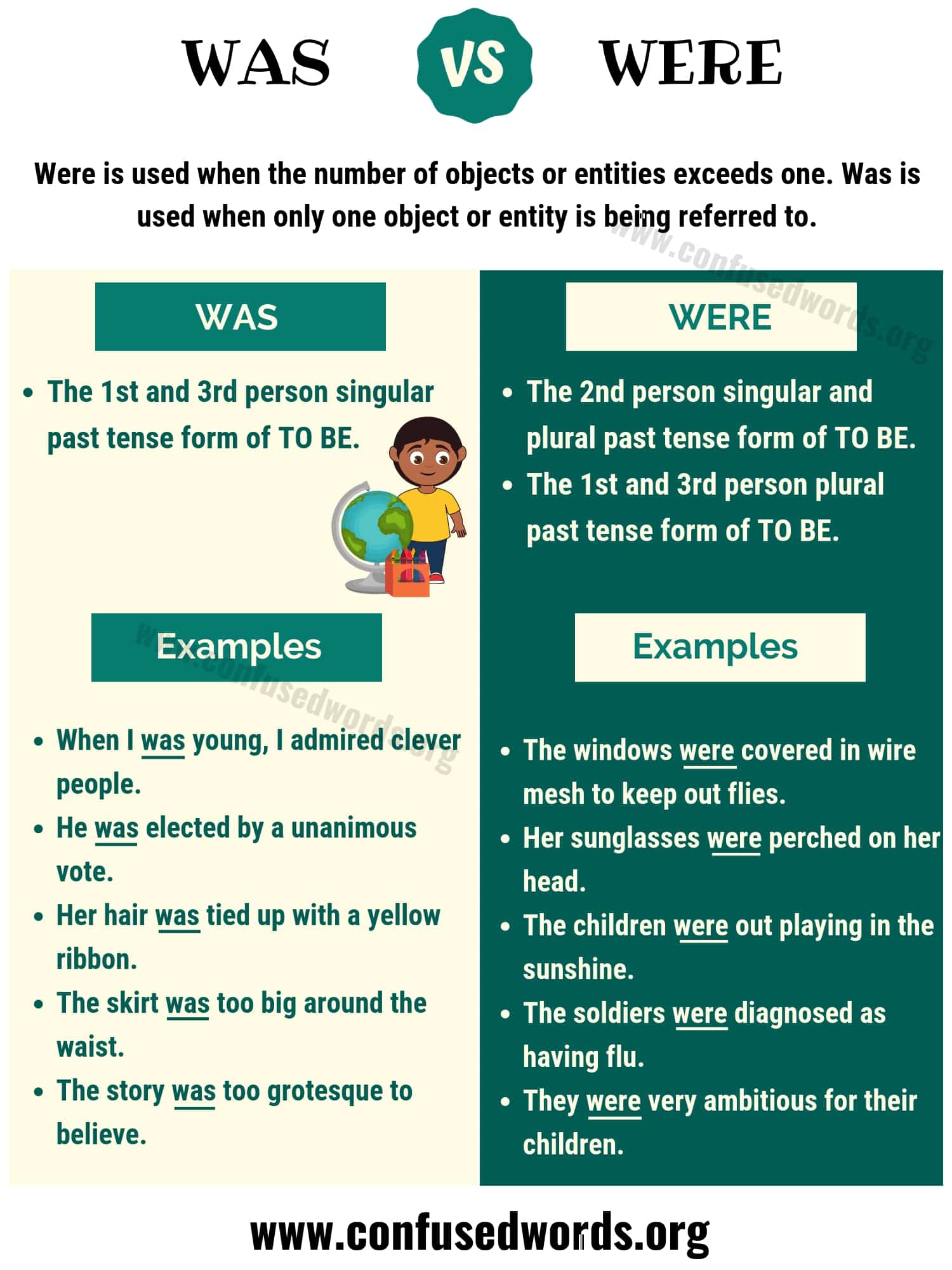
WAS vs WERE 🤔| How to use the verb correctly | English grammar - YouTube
What is the difference between were and have been, and are these sentences gramatically correct Having said that, many expert native english speakers will use 'was', both formally and informally 1) some of the best known writers of detective fiction in the twentieth century were women.
Which of the following is correct
Who were these buildings designed by Or who was these buildings designed by Does were/was refer to these buildings or who? Consider the following sentence, from introduction to control systems by malgorzata zywno
Note that if a summer were to be moved behind the block, the additional gain would be equal the value of the block gain, instead of its inverse [bold mine] what does were to be mean there If you were can also imply that you had planned to do it If i were going to go home in an hour, would you come? does not describe an unlikely or impossible scenario.
I'm in trouble with the following sentence
How was/were the meals you had while you were gone I think how were is correct, but why is how was wrong But i cannot rule out the possibility that indian english—and specifically indian political english—has evolved this usage of were to precisely in order to express firmness and caution in the same utterance Perhaps our indian readers could speak to this
† this use is called subjunctive in traditional grammar. Technically, you should use 'were' You are correct that the sentence is subjunctive because of the indefiniteness introduced by 'as though' The subjunctive takes the plural form of the past tense of 'to be' as its auxiliary verb, even in the singular


