Rubber Clamp For Pipe Leaks Difference Between Plastic And
Claim Your Access rubber clamp for pipe leaks high-quality digital broadcasting. Complimentary access on our content platform. Become absorbed in in a boundless collection of videos made available in best resolution, great for choice watching mavens. With fresh content, you’ll always stay current. Reveal rubber clamp for pipe leaks themed streaming in ultra-HD clarity for a deeply engaging spectacle. Sign up today with our network today to look at private first-class media with with zero cost, no need to subscribe. Get fresh content often and delve into an ocean of rare creative works developed for prime media enthusiasts. This is your chance to watch specialist clips—download now with speed! Get the premium experience of rubber clamp for pipe leaks exclusive user-generated videos with breathtaking visuals and chosen favorites.
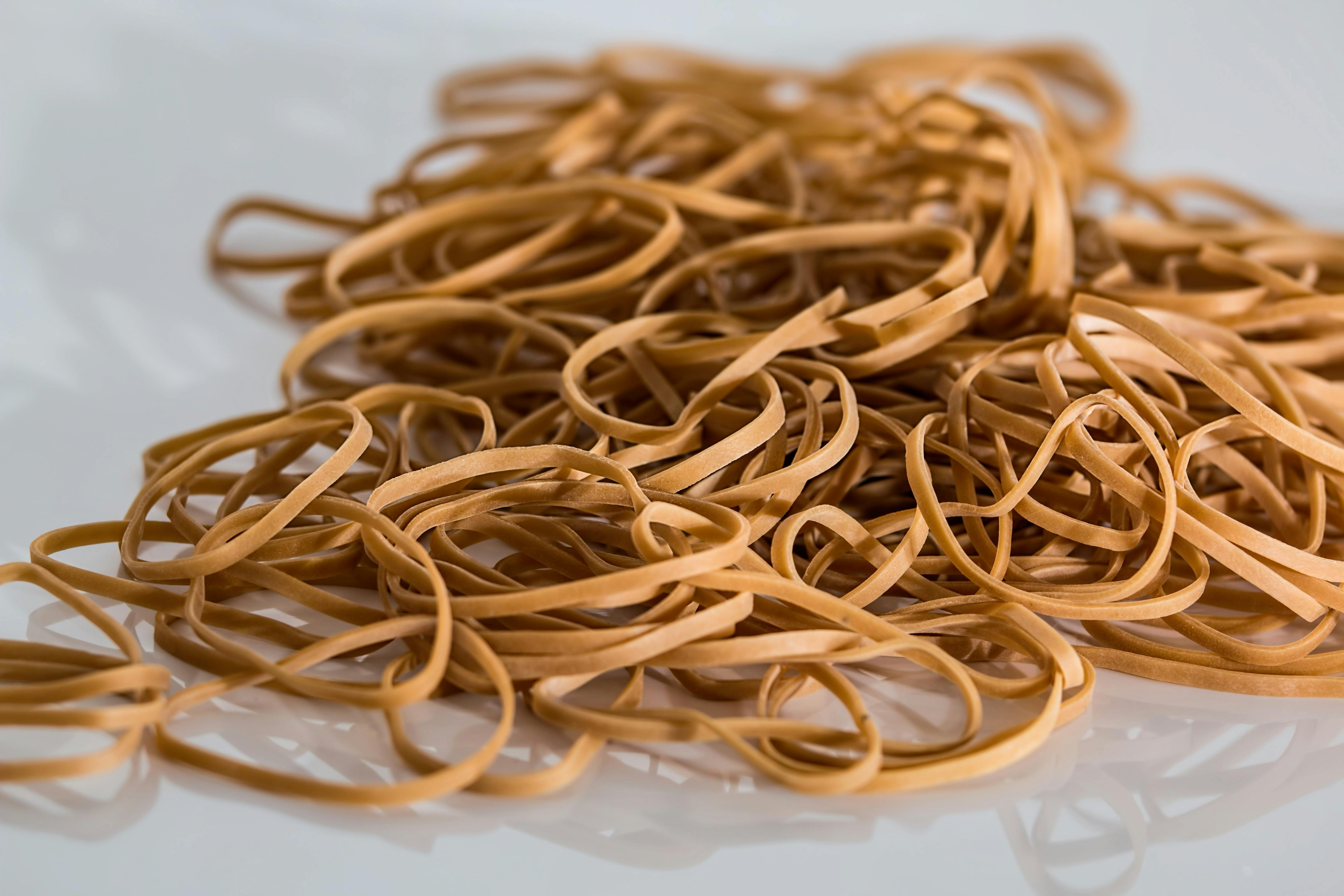
Rubber, also called india rubber, latex, amazonian rubber, caucho, or caoutchouc, [1] as initially produced, consists of polymers of the organic compound isoprene, with minor impurities of other organic compounds They have continued to grow because natural rubber is becoming scarce and also because for some uses they are better than natural rubber. Types of polyisoprene that are used as natural rubbers are classified as elastomers.
Rubber - GeeksforGeeks
When people talk about rubber, they don't usually specify what kind They were much used when world war ii cut off supplies of natural rubber There are many different kinds of rubber, but they all fall into two broad types
Natural rubber (latex—grown from plants) and synthetic rubber (made artificially in a chemical plant or laboratory).
Discover the types of rubber, their classifications, properties, manufacturing methods, and versatile applications across industries. Small rubber parts pervade our lives In general, rubber is sought out for its elasticity and its potential resilience to extreme conditions. Rubber is a widely used material, from tires to seals and medical equipment
But where exactly does rubber come from This article explores both natural and synthetic rubber, their origins, and production processes. If latex is allowed to evaporate naturally, the film of rubber that forms can be dried and pressed into usable articles such as bottles, shoes, and balls. Learn about 10 types of rubber materials (including nbr, epdm, silicone, viton, and more) with eonrub’s guide

Understand their properties and best uses for industrial or consumer products.
Learn about the different types of rubber, their properties, and uses Discover the advantages of natural and synthetic rubber for industrial applications. Rubber is an elastomer, a large molecule that can be stretched and returned to its original shape Learn why rubber is so stretchy and how we make it.
In the 20th century, synthetic (artificial) rubbers such as neoprene began to be used