Oral Fixation Sexual Week 21 Psycho Stages
Gain Access oral fixation sexual hand-selected video streaming. Subscription-free on our entertainment portal. Engage with in a enormous collection of themed playlists available in premium quality, perfect for deluxe watching followers. With the newest additions, you’ll always keep abreast of. Discover oral fixation sexual tailored streaming in fantastic resolution for a truly enthralling experience. Link up with our network today to get access to subscriber-only media with free of charge, no recurring fees. Get access to new content all the time and browse a massive selection of original artist media created for prime media junkies. Be sure not to miss rare footage—get it fast! Access the best of oral fixation sexual bespoke user media with stunning clarity and selections.
In freudian psychology, oral fixation is caused by unmet oral needs in early childhood One can improve oral and general health by understanding the triggers and managing them. This creates a persistent need for oral stimulation, causing negative behaviors.
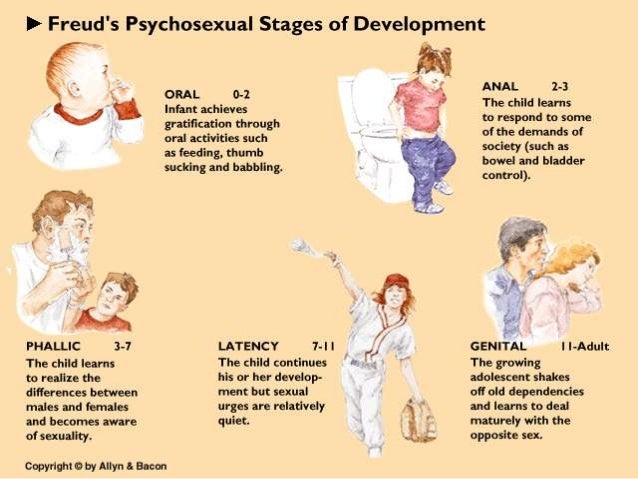
This is How Oral Fixations Form According to Psychosexual Theory by
Freud's theory suggests people can develop oral fixation if their needs are unmet during development Conclusion oral fixation is a common behavior seen during early childhood and can last until adulthood Root causes of oral fixation symptoms and common behaviors coping and therapeutic strategies freud's influential theory preventive measures for children understanding oral fixation oral fixation refers to an intense focus on oral activities such as chewing, biting, or sucking
This concept is rooted in psychoanalytic theory, primarily developed by sigmund freud
Explore oral fixation psychology, from freudian roots to modern perspectives Understand its manifestations, impact on behavior, and treatment approaches. Fixierung) [1] is a concept (in human psychology) that was originated by sigmund freud (1905) to denote the persistence of anachronistic sexual traits [2][3] the term subsequently came to denote object relationships with attachments to people or things in general persisting from childhood into adult life.