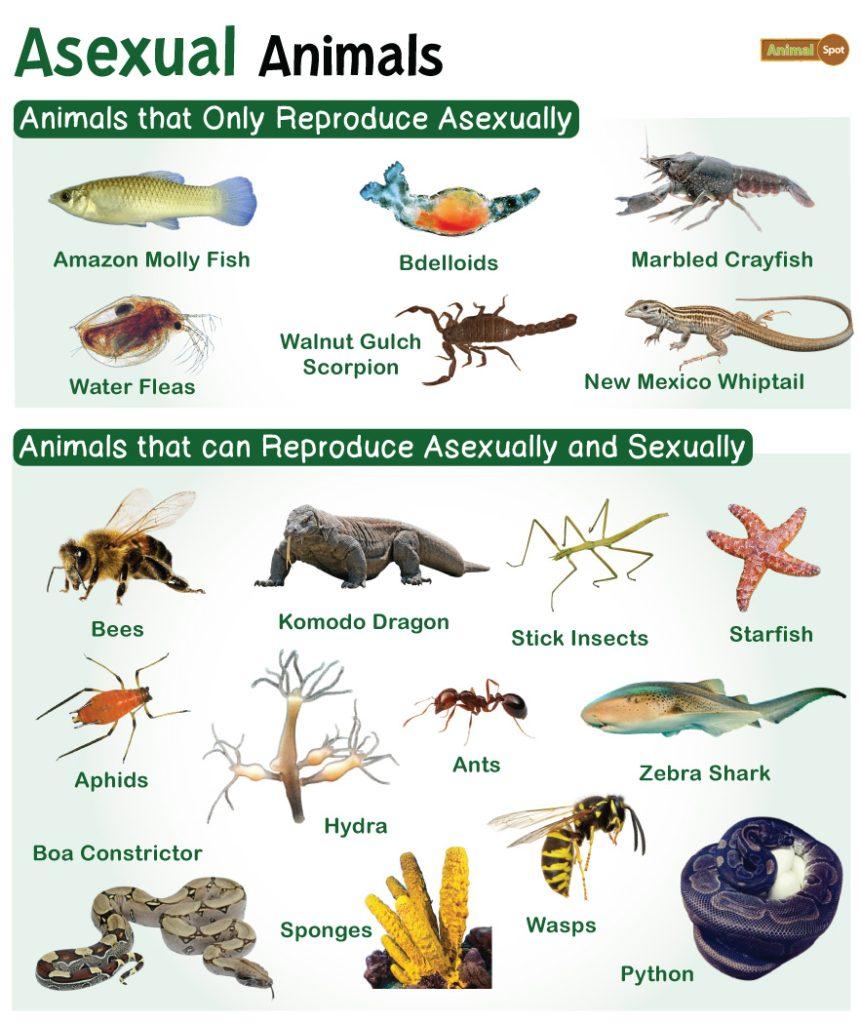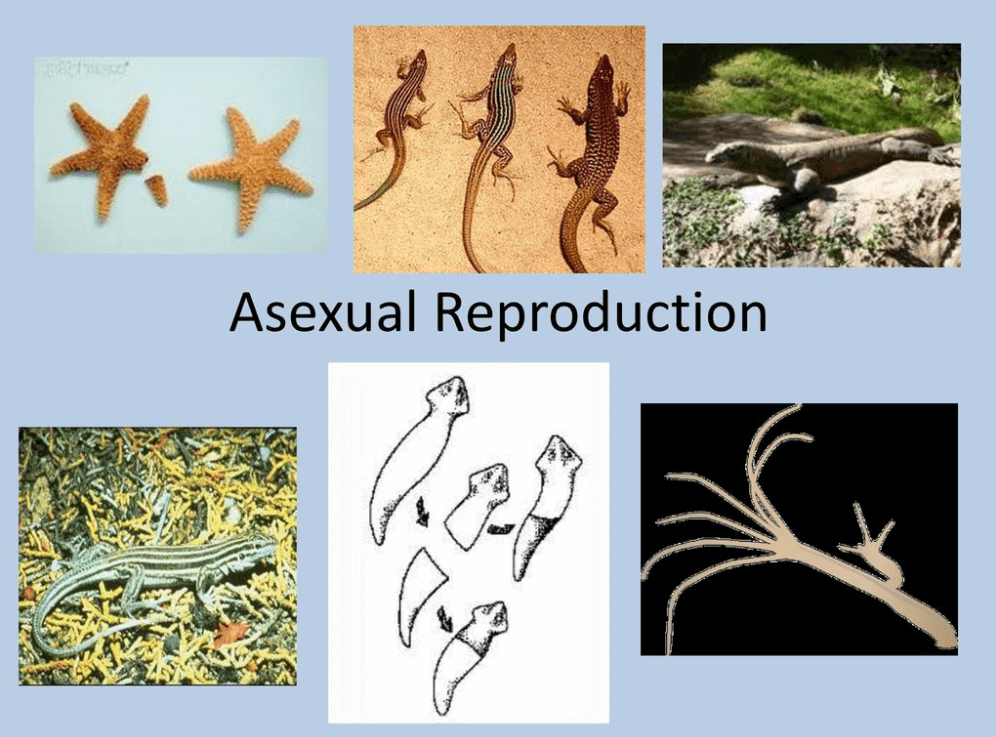
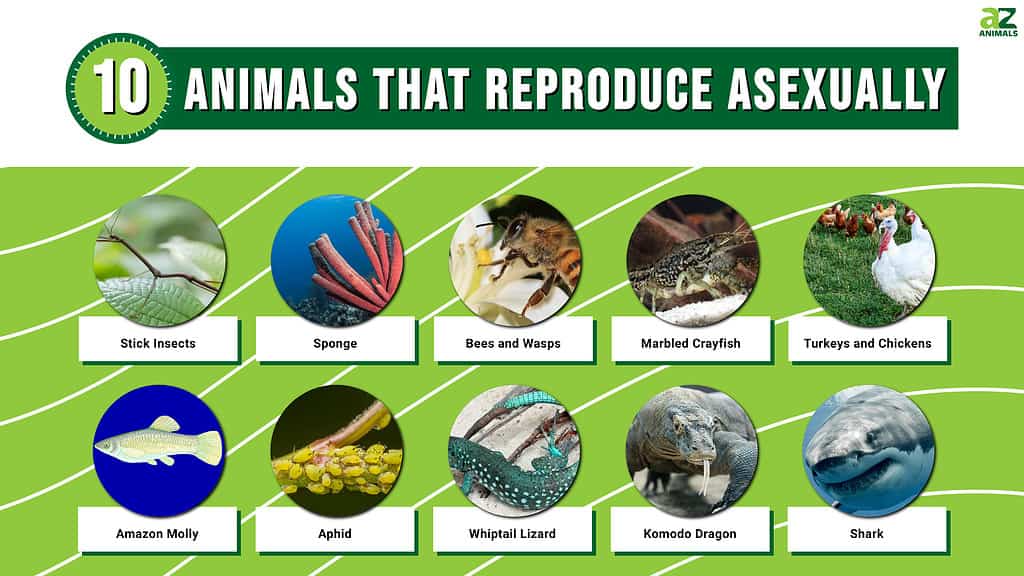
Organisms That Reproduce Asexually Asexual Reproduction Types Examples And Advantages
Access Now organisms that reproduce asexually top-tier webcast. Subscription-free on our entertainment portal. Experience fully in a sprawling library of expertly chosen media on offer in premium quality, tailor-made for deluxe viewing fans. With contemporary content, you’ll always be in the know. Reveal organisms that reproduce asexually curated streaming in retina quality for a utterly absorbing encounter. Hop on board our content collection today to view special deluxe content with zero payment required, no credit card needed. Enjoy regular updates and navigate a world of bespoke user media designed for superior media addicts. Make sure to get uncommon recordings—get it in seconds! Explore the pinnacle of organisms that reproduce asexually distinctive producer content with vibrant detail and top selections.
Several criteria, few of which are widely accepted, have been proposed to define what constitutes an organism See examples of organism used in a sentence. Among the most common is that an organism has autonomous reproduction, growth, and metabolism
Asexual Reproduction: Types, Examples and Advantages
This would exclude viruses, even though they evolve like organisms. A form of life composed of mutually interdependent parts that maintain various vital processes. A living thing that has an organized structure, can react to stimuli, reproduce, grow, adapt, and maintain homeostasis
The term organism comes from the greek organon, meaning “instrument”
Something having many related parts that function together as a whole An individual living thing that carries on the activities of life by means of organs which have separate functions but are dependent on each other A living person, plant, or animal. Organisms are the fundamental units of life, diverse in form and function, inhabiting every corner of our planet
From the simplest bacteria to the most complex human, organisms play vital roles in maintaining ecological balance, supporting life cycles, and driving biological innovation. Organisms can be defined as a living thing, a unique, complex organization exhibiting the significant characteristics Monera, protista, fungi, plantae, animalia. All organisms exhibit a set of shared characteristics that collectively define life
Every organism is composed of one or more cells, the basic units of structure and function in living things.
Organisms are living entities that exhibit the characteristics of life, including growth, reproduction, response to stimuli, and metabolism They can be unicellular or multicellular and are classified into various categories such as plants, animals, fungi, and microorganisms. An organism is a complex, organized structure that exhibits characteristics of life These characteristics include the ability to grow, reproduce, respond to stimuli, adapt to the environment, and undergo metabolism.