Ester Ana Xxx Ether Vs 9 Key Differences Definition Examples Difference 101
Watch For Free ester ana xxx choice internet streaming. No hidden costs on our media source. Dive in in a endless array of curated content on offer in superior quality, a dream come true for passionate streaming devotees. With current media, you’ll always have the latest info. pinpoint ester ana xxx tailored streaming in incredible detail for a completely immersive journey. Enroll in our network today to experience exclusive premium content with for free, no subscription required. Enjoy regular updates and uncover a galaxy of groundbreaking original content built for exclusive media lovers. Be certain to experience distinctive content—download now with speed! Access the best of ester ana xxx one-of-a-kind creator videos with rich colors and special choices.
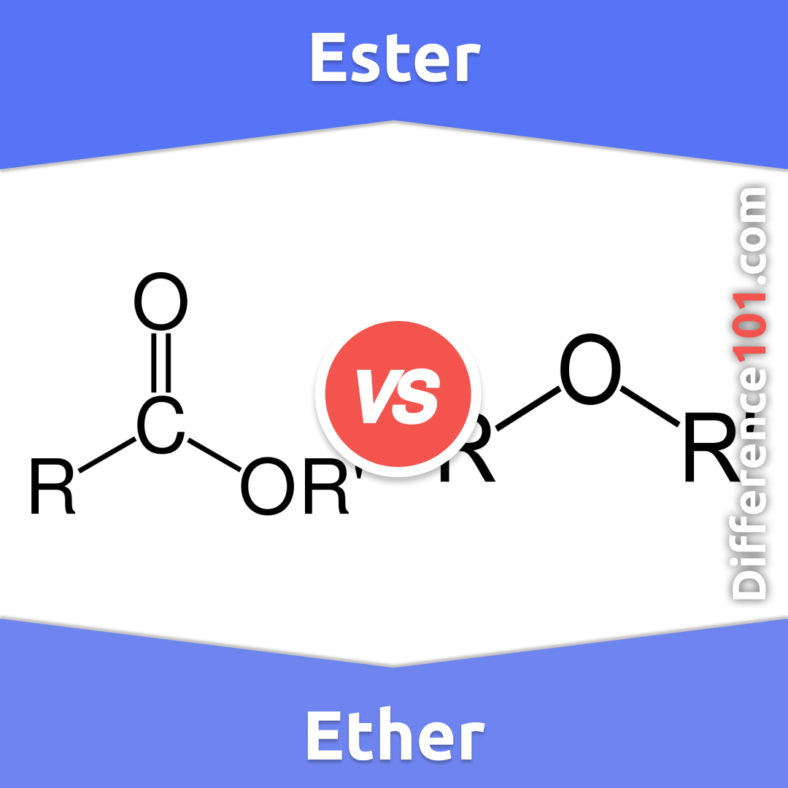
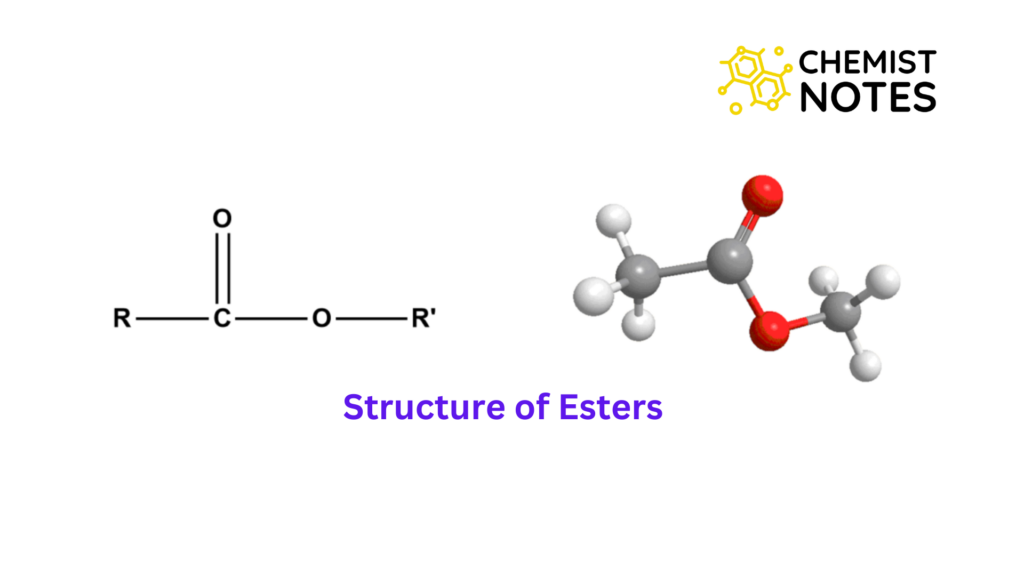
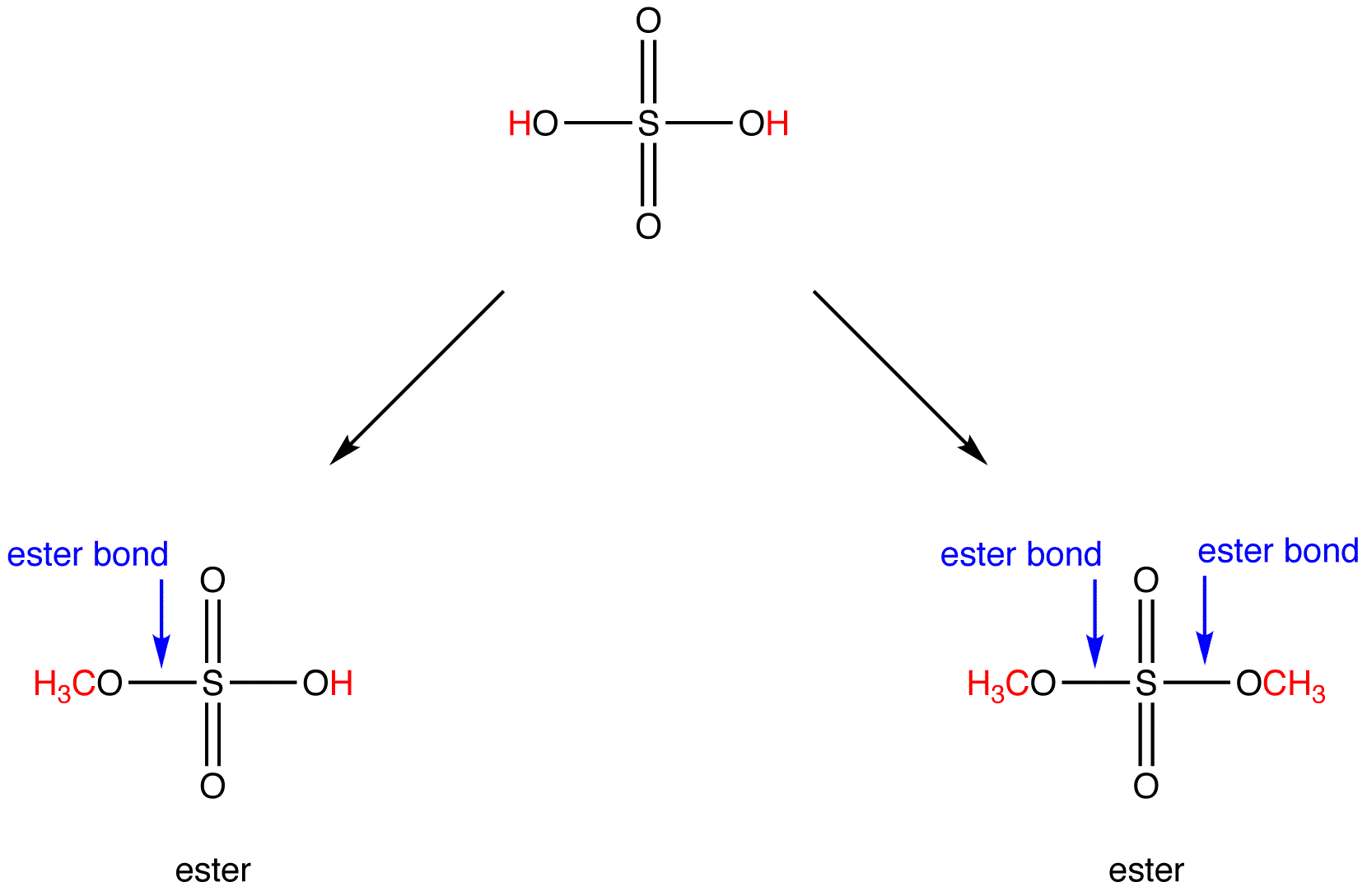
In chemistry, an ester is a compound derived from an acid (either organic or inorganic) in which the hydrogen atom (h) of at least one acidic hydroxyl group (−oh) of that acid is replaced by an organyl group (r ′) The meaning of ester is any of a class of often fragrant organic compounds that can be represented by the formula rcoor' and that are usually formed by the reaction between an acid and an alcohol with elimination of water. [1] these compounds contain a distinctive functional group.
Ether vs. Ester: 9 Key Differences, Definition, Examples | Difference 101
An ester is an organic compound where the hydrogen in the compound's carboxyl group is replaced with a hydrocarbon group Learn about the different types and reactions of esters and more in this article. Esters are derived from carboxylic acids and (usually) alcohol.
Key takeaway an ester has an or group attached to the carbon atom of a carbonyl group.
The general structure of an ester is rcoor', where r and r' represent alkyl or aryl groups Esters are derived from the condensation reaction between a carboxylic acid and an alcohol, resulting in the elimination of water. Ester, any of a class of organic compounds that react with water to produce alcohols and organic or inorganic acids Esters derived from carboxylic acids are the most common